Army Invokes Emergency Powers to Detonate 9,700 Pounds of Unstable Explosives in Iowa Despite Court Order
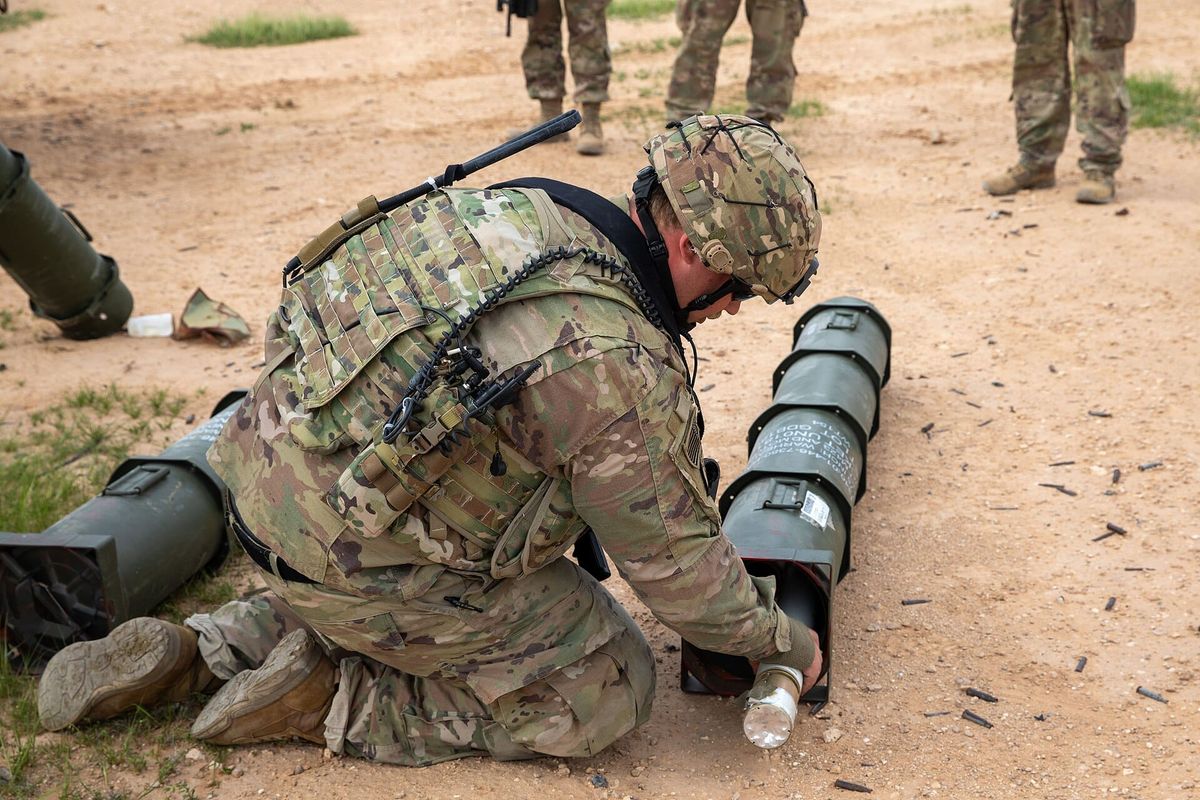
The Trump administration is invoking emergency powers to detonate 68 barrels of deteriorating explosives at an Army plant in Iowa, moving forward despite a federal court order suspending the Army's environmental permit.
The U.S. Army plans to blow up about 9,700 pounds of lead azide at the Iowa Army Ammunition Plant in Middletown. In a court filing Saturday night, the Justice Department said the military would use an emergency exemption under federal environmental rules that allows it to dispose of dangerous explosives without the suspended permit.
Federal officials argue the court's suspension of the permit does not stop the Army from acting under that separate emergency authority. The Army said Sunday that the detonation is scheduled for Wednesday, Nov. 25, to allow for favorable weather and additional safety preparations.
'More Significant Threat'
The U.S. Court of Appeals for the Eighth Circuit had temporarily suspended the permit after a lawsuit by the Iowa Environmental Council and the Sierra Club's Iowa chapter, which warned the blasts could release dangerous lead particles into the air.
READ MORE: Senate Passes Bipartisan Permitting Reform Bill 62-33, Sending It Back to the House
The Justice Department countered that falling temperatures could destabilize the explosives and set off an uncontrolled blast. Lead azide, a highly sensitive chemical used in military detonators, becomes more dangerous as it degrades, and officials said the material has developed unstable crystals that could react to friction and temperature changes.
"The Army must perform a controlled detonation to protect the public from the more significant threat from an uncontrolled explosion," federal attorneys wrote.
Acting Army Secretary Adam Telle said the Army and the Environmental Protection Agency determined that controlled detonations posed the lowest immediate risk.
Fears of a Lead Plume
Environmental groups warn the explosions could send a plume of toxic lead dust into the air, which the Iowa Environmental Council said could travel up to 100 miles north depending on the weather. Lead exposure is especially dangerous for children.
"There was not enough information being shared," Kerri Johannsen, the council's senior director of policy and programs, told Reuters. "The early recommendations from the Army had a lot of people sort of with their jaws hanging open."
Johannsen urged military officials to release more information about the expected direction of the plume and the precautions residents should take before the blast.
READ MORE: Trump Orders DOJ to Speed Up Federal Executions, Blasts Newsom's Commutation of 548 Death Sentences
The Iowa Department of Agriculture and Land Stewardship advised nearby cattle farmers to move livestock, feed and equipment indoors or relocate them, though some farmers said sheltering animals indoors was not practical.
What Residents Are Told to Do
The Army advised residents to avoid the area during the detonation and to stay indoors if they cannot leave, closing windows and doors and shutting off heating or cooling systems that draw in outside air. After the exposure period, residents were told to wet-clean surfaces that children might touch.
Some residents are not taking chances. Jeremy Atwater of Augusta, Iowa, said he planned to travel west because he feared prevailing winds could carry contamination toward his community.
"Anything but the bomb," Atwater told Reuters. "It's just going to be a big problem."
The Army had already postponed its original plans after residents, farmers and environmental advocates raised objections.