Federal Judge Orders Agriculture Secretary Brooke Rollins to Limit Religious Messages in Official Emails
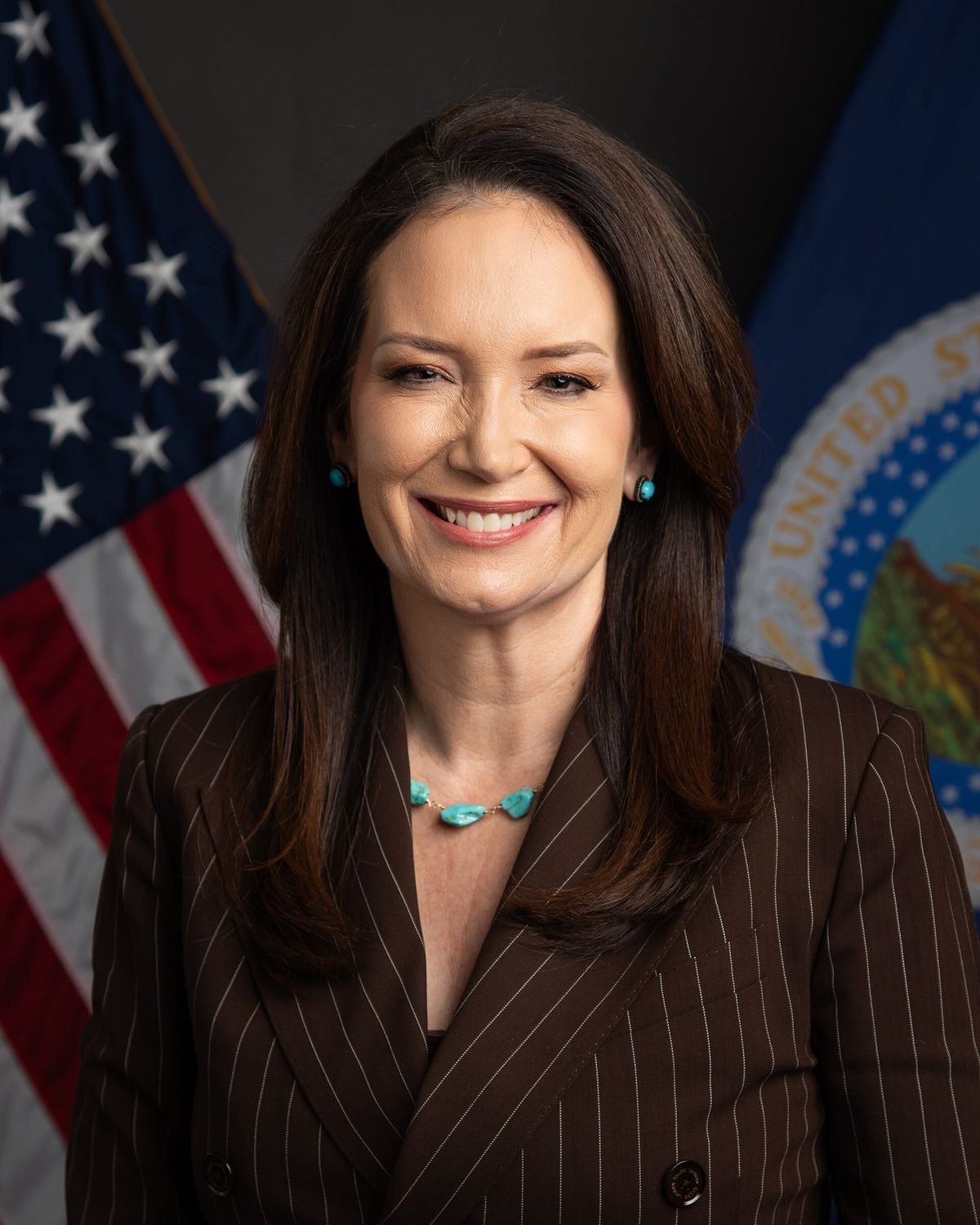
A federal judge has ordered Agriculture Secretary Brooke Rollins to limit religious messages sent through her official government email, finding that her Christmas and Easter communications to roughly 100,000 USDA employees likely violated the First Amendment.
U.S. District Judge Trina Thompson, a Biden appointee in California, issued a preliminary injunction Thursday in a lawsuit brought by federal employees and the National Federation of Federal Employees.
The case centers on several holiday messages Rollins sent through her official USDA account after becoming agriculture secretary in February 2025.
'The Buck Stops With Secretary Rollins'
Thompson concluded that Rollins' Christmas 2025 and Easter 2026 messages crossed constitutional boundaries. "The April 5, 2026, and Dec. 23, 2025, messages go too far," she wrote.
READ MORE: Alito Warns A Democratic Congress Could 'Turn Off The Lights' At The Supreme Court
"They suggest acquiescence that amounts to coercive pressure; a pressure of conformity sufficient to raise an Establishment Clause violation," the ruling continued.
The judge said Rollins' position at the top of the USDA hierarchy mattered because employees could not realistically treat communications from the agency secretary as ordinary personal messages.
"Why should the secretary be exempt from her own rules? The buck stops with Secretary Rollins," Thompson wrote. "In fact, her position of authority warrants greater concern as she sits atop the agency hierarchy."
She also pointed to Rollins' use of words including "we," "us" and "our," concluding that the language could suggest Christianity was a shared belief among USDA employees.
What Rollins Wrote
Rollins' Christmas message discussed the birth of Jesus Christ and described him as "our Savior Jesus Christ, who came to free us from our sins and open the door to eternal life."
Her Easter email began, "Happy Easter — He is Risen indeed!" "Today we celebrate the greatest story ever told, the foundation of our faith, and the abiding hope of all mankind," Rollins wrote.
READ MORE: Boasberg Presses Prosecutor Over Vance and Mullin Comments as Omar Warrant Release Nears
The message later told employees, "And so, like the very first disciples to encounter our risen Lord in the Upper Room almost two thousand years ago, this Easter let us too be alive with hope, full of Paschal joy, and confident in the mission each of us has been called for." Rollins also sent messages mentioning God around Independence Day and Thanksgiving.
What The Order Allows
The court did not prohibit Rollins from discussing Christianity or expressing her personal religious beliefs. Instead, Thompson largely incorporated provisions from the USDA's own workplace guidance on religious expression.
Under the injunction, Rollins "must stop if a colleague asks her to stop," "cannot create a hostile work environment through persistent unwelcome advances" and "cannot use official authority to pressure subordinates."
The ruling says Rollins may discuss her beliefs with interested colleagues, explain why her faith is meaningful to her, politely invite coworkers to religious events and express religious viewpoints during appropriate conversations.
USDA Weighs Appeal
Six USDA employees and the National Federation of Federal Employees, which represents approximately 110,000 federal workers including more than 19,000 USDA employees, filed the lawsuit in May. They argued that Rollins' department-wide communications amounted to government-sponsored Christian proselytizing and made employees of other religions, as well as nonreligious workers, feel pressured or excluded.
The Trump administration disputed that characterization, arguing that Rollins was expressing her personal religious views and had not forced employees to participate in religious activities.
A department spokesperson called the decision "a completely unprecedented attempt to muzzle a Cabinet Secretary" and said the administration was considering an appeal.
The injunction is preliminary, meaning the broader lawsuit remains unresolved and the court has not issued a final judgment after a full trial.