Hakeem Jeffries Wins Democratic Speaker Nomination as 11 Democrats Oppose Him
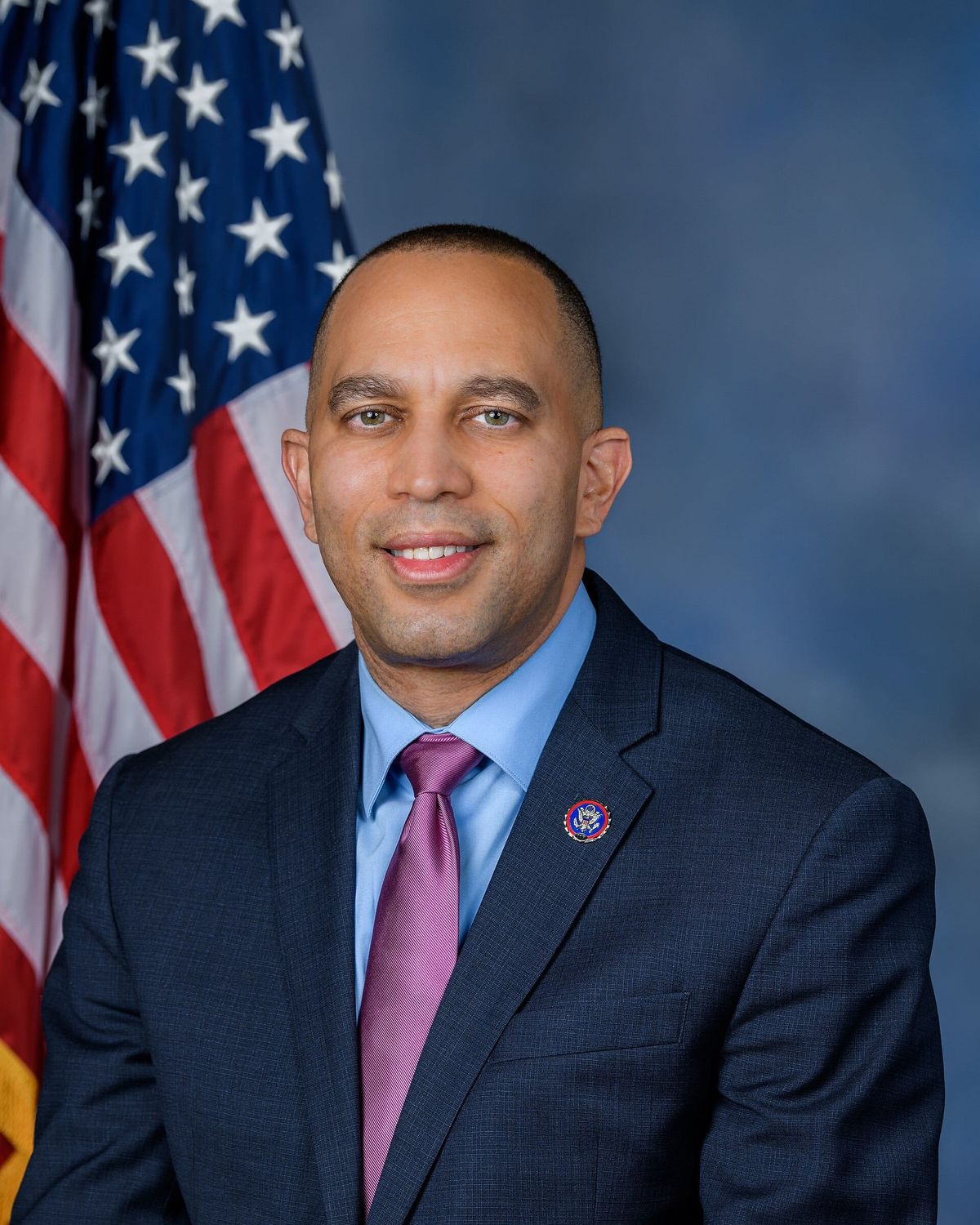
House Democratic Leader Hakeem Jeffries secured his party's nomination for speaker on Wednesday despite resistance from progressive lawmakers.
The New York Democrat received 251 votes, while 11 Democrats opposed his nomination during the closed-door leadership election.
Jeffries ran unopposed, but the dissent exposed ideological divisions within the party following its midterm victories. Democrats won't officially take control of Congress until January.
Full House Vote In January
Jeffries must still win enough support in a full House vote when the 120th Congress convenes in January. Wednesday's secret ballot allowed lawmakers to register opposition without identifying themselves. The opposition from progressives raises questions about what policy concessions they could demand before backing his agenda.
READ MORE: Susan Collins Breaks With GOP To Back Ossoff Motion on Insurance Denials
Democrats are projected to control more than 250 House seats, giving Jeffries considerable flexibility in January's speaker election. He succeeded Nancy Pelosi as the top House Democrat in January 2023.
Progressives Hold Out
Several incoming Democrats had previously declined to endorse Jeffries, citing uncertainty about his leadership and policy commitments.
Incoming New Jersey Rep. Adam Hamawy had expressed reservations, and Illinois Democrat Patty Garcia said her decision would reflect discussions within the Congressional Progressive Caucus. New York Rep.-elect Claire Valdez, a Democratic Socialists of America member, declined to disclose her position.
Progressive activists also encouraged Massachusetts Rep. Ayanna Pressley to challenge Jeffries, but she did not enter Wednesday's contest, leaving him without a formal challenger. Other incoming Democrats expressed uncertainty as they prepare to take office.
Seven incoming progressive lawmakers acknowledged opposing Jeffries, according to Reuters, while seeking commitments on the party's policy direction. Their resistance reflects disagreements over government spending, healthcare, corporate influence and U.S. military aid to Israel.
New Leadership Team
California Rep. Ted Lieu won the position of Democratic caucus chairman, while Massachusetts Democrat Katherine Clark and California Democrat Pete Aguilar will hold prominent roles in the incoming majority's leadership.
READ MORE: Vance 'More Likely Than Not' To Run in 2028 But May Not Decide Until Mid-2027, Reports Say
Republicans, meanwhile, selected Ohio Rep. Jim Jordan to lead their conference in the next Congress. Jordan defeated Louisiana Rep. Steve Scalise after outgoing Speaker Mike Johnson declined to pursue the minority leader post.
Jordan brings extensive congressional experience, including his tenure as chairman of the House Judiciary Committee. His leadership gives Republicans an experienced advocate as they prepare to defend President Donald Trump's legislative and executive priorities.
Jordan will lead House Republicans as they move into the minority when the new Congress begins in January next year.
Trump's Veto Remains
Despite losing control of Congress, Republicans keep the White House. Overriding a presidential veto requires two-thirds support in both chambers, a high bar for partisan legislation. That gives Trump an important safeguard against Democratic legislation that conflicts with his administration's goals.
The incoming Democratic majority is expected to pursue aggressive oversight of the Trump administration through its investigative committees. Democratic control also brings responsibility for legislative outcomes, while Republicans will have opportunities to challenge those investigations and present competing proposals.
Jeffries must also balance progressive demands with the expectations of Democrats from competitive districts. January's public vote will show whether the resistance turns into real opposition. Conservatives will be watching whether Democratic leaders prioritize practical governance or accommodate demands for more expansive federal intervention.