Inside the Ballot Fight the Supreme Court Shut Down in One Sentence on the Eve of the Midterms
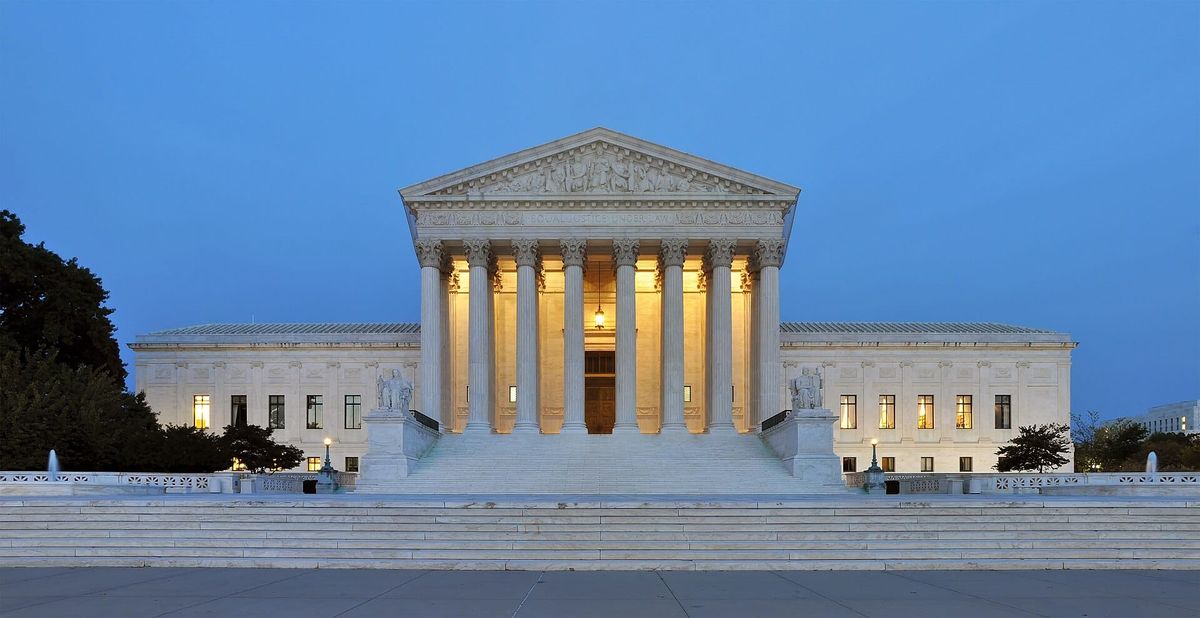
The Supreme Court on Monday turned away an emergency request from the Trump administration over California mail ballots, ending a last-minute legal fight hours before polls opened for the midterm elections.
The justices issued a one-sentence order that gave no explanation and noted no dissents. They acted within hours of receiving the application and did not ask California or the other parties to file a response.
The Justice Department had asked the court to require California to set aside potentially thousands of mail ballots tied to registered voters on a list of more than 20,000 names that federal officials said may include noncitizens.
What the Administration Wanted
Solicitor General John Sauer described the request as a modest one. The government was not asking that the ballots be thrown out, he argued, only that they be kept separate while officials looked into the citizenship concerns.
The administration said it had a strong interest in making sure only citizens vote and in enforcing federal laws against noncitizen voting. It also argued that California's failure to investigate the flagged registrations was undermining federal criminal enforcement.
Timing was central to the argument. Once the questioned ballots were processed along with all the others, the government said, there would be no way to pull them back out.
California officials and voting rights groups disputed the evidence behind the list, warning that the approach could wrongly target eligible American citizens. They also argued that federal officials had no authority to tell the state how to handle its ballots.
A Sharp Dissent Below
The order followed a Friday ruling by a three-judge panel of the Ninth Circuit Court of Appeals, which also rejected the administration.
Judges Mark Bennett, a Trump appointee, and Gabriel Sanchez, a Biden appointee, wrote that disputes over vote-by-mail procedures belong before Congress. They cited uncertainty about the actual risk of noncitizen voting, pointed to California's own eligibility checks and warned that the requested relief could disenfranchise voters.
Judge Patrick Bumatay, another Trump appointee, disagreed. He stressed that the government only wanted the ballots set aside, not automatically discarded, and argued that federal courts have long blocked unlawful state action when federal interests are at stake.
Bumatay also noted that all sides agreed the ballots could not be separated once processed, framing the request as a way to preserve a remedy while the allegations were examined.
Election Rules and the Clock
The appeals court also raised the Purcell principle, a doctrine that warns federal courts against changing election rules close to an election. The Supreme Court's brief order did not say which considerations drove its decision.
It is unclear how many of the ballots in question had already been counted by the time the justices acted.
Gov. Gavin Newsom celebrated the outcome, calling the lawsuit a baseless attack on California's elections. Groups that opposed the administration said the case had cast unfair suspicion on eligible voters.
The administration's record before the high court on election cases has been mixed. In September, the justices rejected a proposal to give the Postal Service broader power to withhold certain mail ballots. Days later, they sided with the Department of Homeland Security and allowed it to share citizenship data with state election officials.
For now, California will process its ballots under its own rules as counting continues after Tuesday's vote.