Justice Kagan Rejects Surrogate's Emergency Bid in Custody Fight Over Medically Fragile Baby
A heart-wrenching legal battle over a medically fragile baby boy has reached the U.S. Supreme Court, after producing competing rulings and emergency hearings in three states.
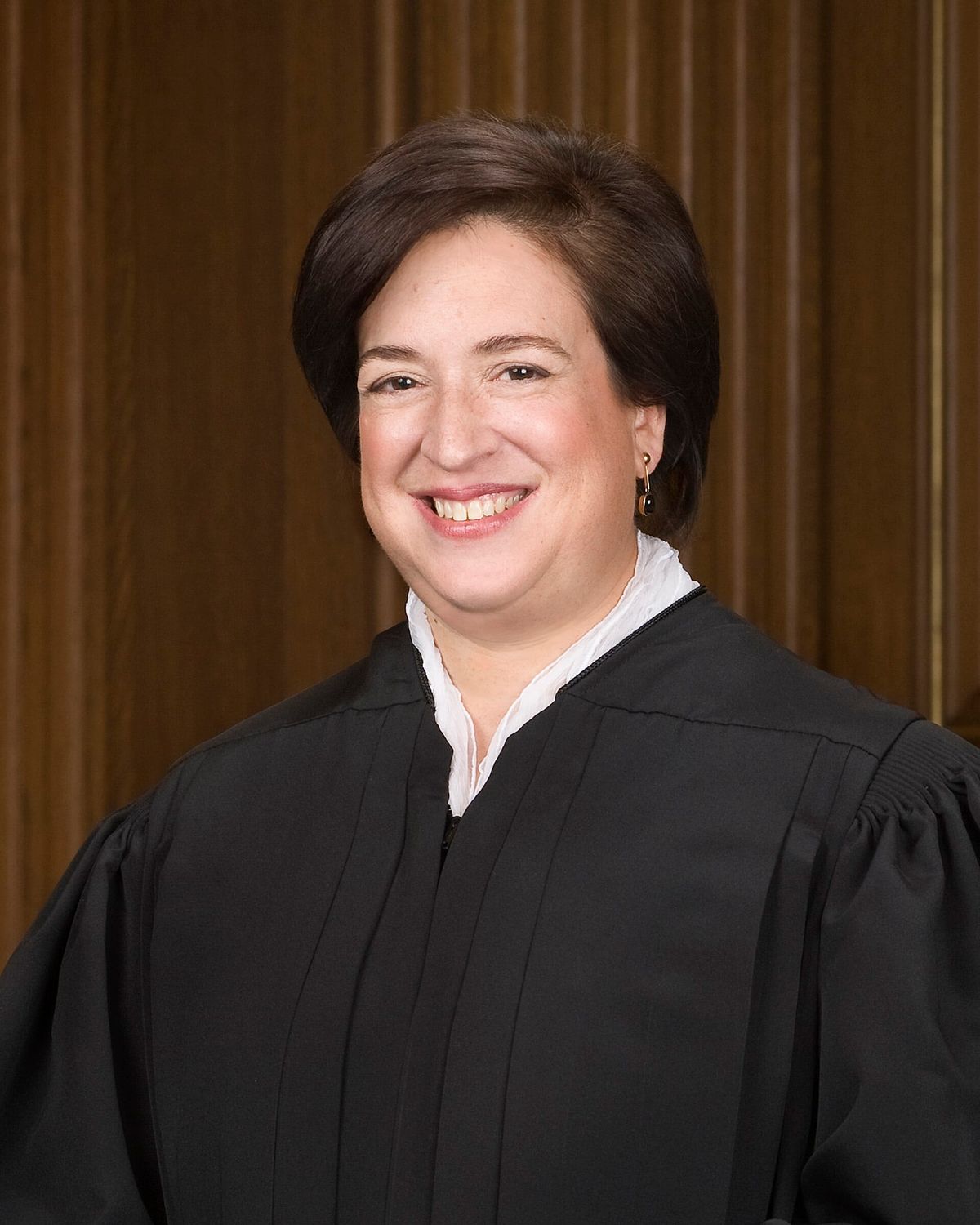
On Tuesday, Justice Elena Kagan denied an emergency application from surrogate McKenna West, leaving in place a California order that recognizes the baby's intended and genetic parents as his legal parents.
Kagan, who handles emergency requests coming out of California, rejected the application on her own. She did not refer it to the full court, so the nine justices did not take up the deeper questions about custody, surrogacy and abortion at the heart of the case.
As is customary when a single justice resolves an emergency request, she gave no explanation.
READ MORE: Former St. Louis TV Anchor Angelynn Mock Sentenced to Life in Prison for Killing Her Mother
A Surrogacy Deal Gone Wrong
The dispute began when West, an Alaska nurse and mother of two, agreed to serve as a gestational surrogate for a California couple who wanted a child.
Their agreement reportedly gave the intended parents the power to make decisions about abortion. The case has raised hard questions about how such a clause can be enforced when the pregnant surrogate objects.
About 20 weeks into the pregnancy, doctors diagnosed the unborn baby with hypoplastic left heart syndrome, a life-threatening condition in which the left side of the heart does not develop normally.
After the diagnosis, the couple asked West to end the pregnancy. She refused and eventually traveled to Texas, where most abortions are banned, to carry the baby to term and seek custody.
The parents have said they considered abortion after receiving medical advice but later decided the pregnancy should continue. They dispute West's description of their intentions toward the child.
Born in Dallas, Fighting for His Life
West gave birth to a baby boy in Dallas on August 12. He has since undergone open-heart surgery as part of the long treatment his condition requires.
READ MORE: Harmeet Dhillon Resigning as Head of Justice Department's Civil Rights Division
Babies with hypoplastic left heart syndrome usually need several operations, and surgery is not always a complete cure. Some children later need more procedures or even a heart transplant.
The custody fight escalated after a California court declared the couple the boy's legal parents. A Texas judge then dismissed West from litigation over the baby's custody and medical care, and the Texas Supreme Court separately allowed the baby to be moved to California for specialized care, saying that keeping the child alive was the overriding concern.
Arguments Before the Court
West asked the Supreme Court to pause enforcement of the California judgment while her arguments about jurisdiction and her claimed right to stay involved in his treatment were considered. Her lawyers said enforcing it stripped her of "control over the medically fragile child" and could cut her off from any information about the baby she carried for 37 weeks. They also argued the case belonged in Alaska, where she lives.
Lawyers for the parents countered that the couple has stayed at their son's side in Texas and made sure he got lifesaving treatment after birth. They are "committed to doing so for the rest of his life," the attorneys told the court, warning that more court intervention would cause confusion at a critical time.
They also said "a right to life is not at issue here," and rejected West's doubts about whether they can be trusted to protect their son.
Kagan's order does not set a national rule on abortion clauses in surrogacy contracts, decide whether West broke her contract, or settle every remaining dispute between the two sides, according to Just The News. Its immediate effect is narrower but significant: the California couple remains the baby's legal parents, and West has no custody or authority over his medical care.