Ocasio-Cortez Deflects 2028 Questions As Supporters Organize Push For A White House Run
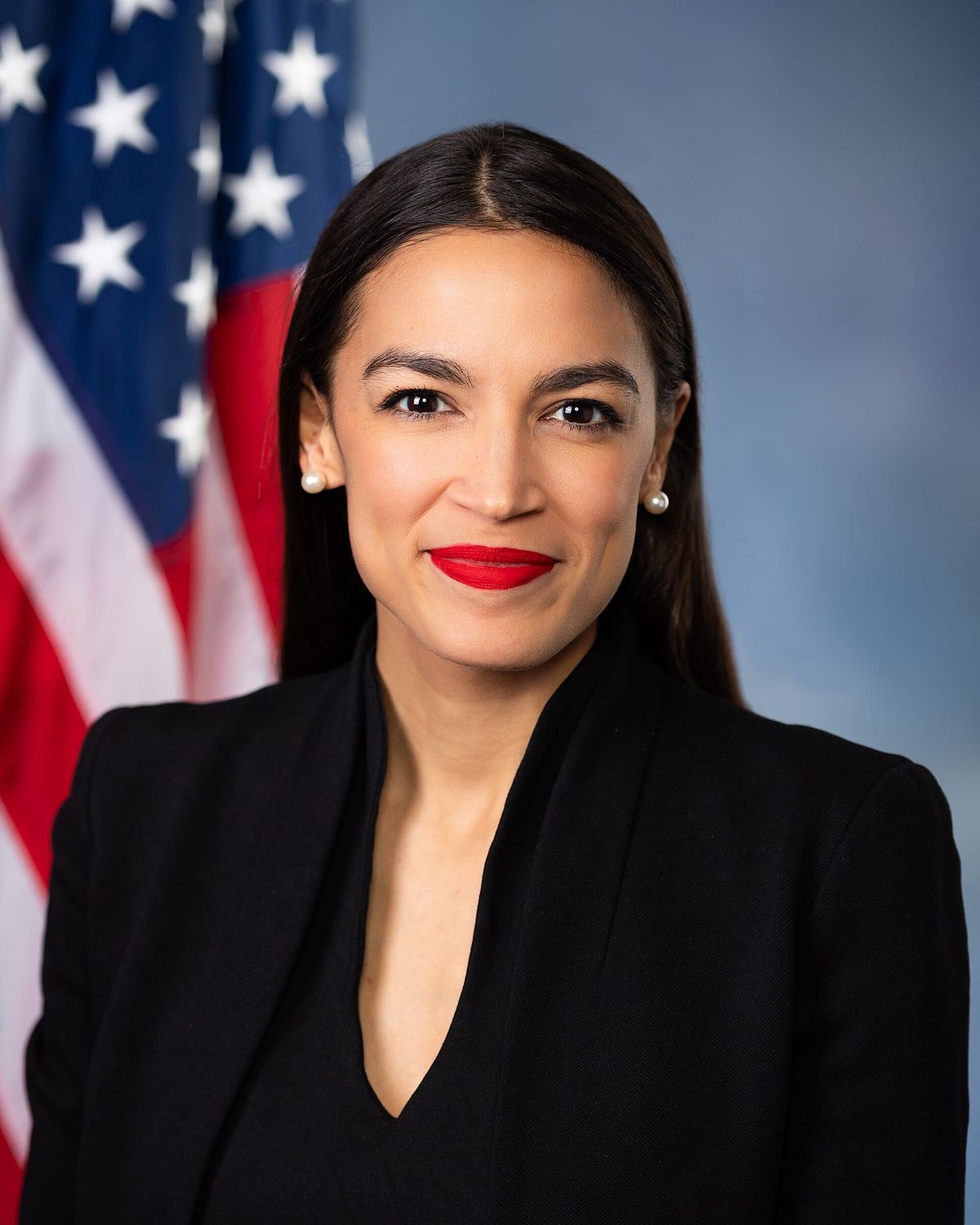
Rep. Alexandria Ocasio-Cortez is deflecting questions about a possible 2028 presidential campaign after Democrats' gains in the midterm elections, insisting her party should focus on governing instead of launching another long presidential contest.
The New York democratic socialist told reporters that voters expect lawmakers to address economic concerns and use their newly acquired power in Congress. She specifically pointed to legislation, congressional investigations and looming questions about federal health care programs.
Her answer stopped short of a definitive rejection of a presidential campaign, leaving her political ambitions unresolved.
Supporters Are Already Organizing
That ambiguity matters because prominent progressives increasingly see the congresswoman as a potential national standard-bearer.
READ MORE: Ocasio-Cortez Says 'All Options' Are on the Table When Asked About Impeaching Trump
A group called Ready for AOC has launched a volunteer-driven effort to encourage her candidacy. According to reporting, organizers hope to recruit 10,000 community leaders and collect one million signatures supporting a presidential run.
The effort shows the enthusiasm within the Democratic Party's activist left for a candidate associated with sweeping government programs. Since entering Congress, she has championed expansive federal health care proposals, climate initiatives and progressive economic policies.
Republicans who favor lower taxes and limited government see a clear ideological contrast with her approach. Trump's political coalition has emphasized domestic energy production, border enforcement and reducing obstacles facing American businesses.
No such contest has been announced, however, and speculation should not be confused with a formal campaign.
Her emphasis on investigations suggests Democrats may pursue heightened scrutiny of the Trump administration through congressional committees. Oversight is a legitimate responsibility, although investigations must rest on evidence rather than partisan assumptions.
Senate Or White House?
Her future could also involve a Senate campaign in New York instead of a presidential bid. Sen. Chuck Schumer has not definitively settled his own political plans, leaving another potential contest uncertain.
READ MORE: AOC Campaign Memo Touts Her National Reach as 2028 Speculation Grows
Schumer recently emphasized affordability, health care costs and the Iran conflict when outlining his party's agenda, highlighting the difficult choices Democrats face as they try to deliver measurable results.
Recent reporting indicates Ocasio-Cortez is reorganizing parts of her political operation while she considers her next steps. Those changes do not establish which race, if any, she will enter.
Her reluctance to discuss 2028 may reflect an understanding that premature campaigning risks frustrating voters. It does not show that she has abandoned presidential aspirations or decided to pursue another office.
Democratic leaders also face disagreements between progressive activists and lawmakers seeking broader appeal among moderate voters, and her national ambitions could intensify those tensions as potential candidates begin preparing for 2028.
Meanwhile, Trump remains in the White House. Any major legislation must still win his approval or enough votes to override a veto, giving Republicans significant opportunities to defend their priorities despite disappointing election results.
For Republican strategists, the emerging Democratic field offers a chance to contrast conservative policies with progressive alternatives. For Democrats, the immediate challenge is proving their congressional gains can produce the results voters expect, and the approaching health care deadlines and expected oversight battles will provide early tests.
Ocasio-Cortez has asked colleagues to prioritize governing, even as supporters keep organizing around her political future. Whether that message survives mounting presidential speculation remains an open question for the Democratic Party.