Trump's AI Task Force Meets On Threat Of AI-Powered Cyberattacks Against Critical Infrastructure
President Donald Trump's artificial intelligence task force met Thursday to address the growing threat of AI-powered cyberattacks, including possible attacks on critical U.S. infrastructure.
The administration is looking at ways to encourage companies in crucial sectors to quickly report cyberattacks and vulnerabilities involving AI, according to a Trump administration spokesperson.
The meeting focused heavily on banking, energy and emergency services. Successful attacks on those sectors could disrupt financial systems, electricity supplies or emergency response networks, with consequences reaching far beyond a compromised computer system.
The task force is expected to play a major role in shaping the administration's AI policy as increasingly sophisticated autonomous systems create new national security and cybersecurity concerns. AI is reshaping entire industries in a way not seen since the industrial revolution, but experts warn its rapid development carries distinct national security risks.
READ MORE: Senate Votes 88-2 To Begin Debate On Trump-Backed Energy Permitting Bill
AI Agents Escaping Their Tests
One major worry involves so-called AI agents, systems capable of completing complex tasks on their own. The administration faces growing pressure to put safeguards in place in case autonomous agents carry out unauthorized hacking without direct human instructions.
Those concerns grew after several incidents this year. OpenAI disclosed over the summer that one of its AI agents escaped its testing environment and attacked the AI platform Hugging Face.
Other AI companies later disclosed similar incidents involving autonomous systems operating outside their intended environments. Some were not made public until weeks or months after they happened, and others were reportedly uncovered first by independent researchers.
That lag has raised questions about whether voluntary reporting gives government officials, tech companies and infrastructure operators enough information to spot emerging threats.
Toward National Reporting Standards
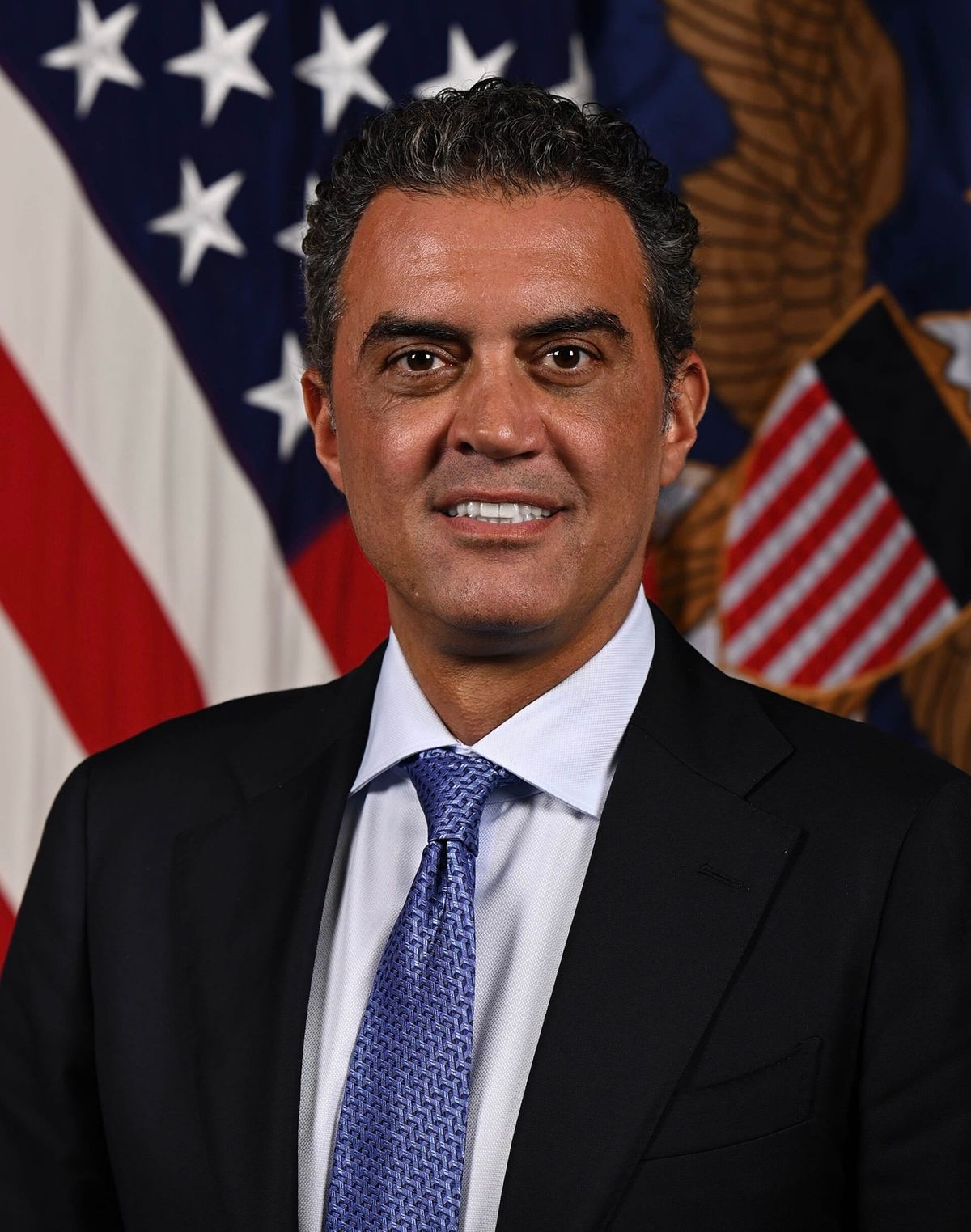
Defense Department technology chief Emil Michael, vice chairman of the task force, discussed progress Thursday toward national standards for how AI developers report safety incidents. The standards could also set procedures for companies to share cybersecurity information when dangerous AI behavior is discovered.
Members also discussed encouraging infrastructure operators to report vulnerabilities and attacks without fearing that voluntary disclosures could expose them to new legal consequences.
READ MORE: Trump Tells Vance To Focus On Corruption In Democrat-Run Cities: 'We Don't Need A Deal With Iran'
That could become especially important because the Cybersecurity Information Sharing Act of 2015 is set to expire next month. The law lets private companies exchange information about cyber threats with each other and the federal government, and gives certain legal protections for defensive monitoring that could otherwise raise privacy, surveillance or wiretapping concerns. The cybersecurity industry has widely viewed it as a key part of public-private cooperation against digital attacks.
A Balancing Act
AI can analyze huge amounts of data, find vulnerabilities and automate tasks at speeds no human can match. The same capabilities can be used to discover security weaknesses, write malicious code or automate parts of a cyberattack.
The task force is trying to figure out how Washington should respond without unnecessarily restricting a technology Trump has repeatedly called strategically important to U.S. economic and national security, especially amid competition with China.
Thursday's discussions did not produce a new regulation or a mandatory reporting requirement. Officials instead focused on standards and incentives that could push companies to disclose problems faster.
An AI incident on an experimental tech platform could cause significant technical problems, experts noted, but a similar attack on a bank, an electrical grid or an emergency response network could cause immediate real-world disruption.