Carney Says Canada Is Making Progress in Trade Talks With Trump Administration
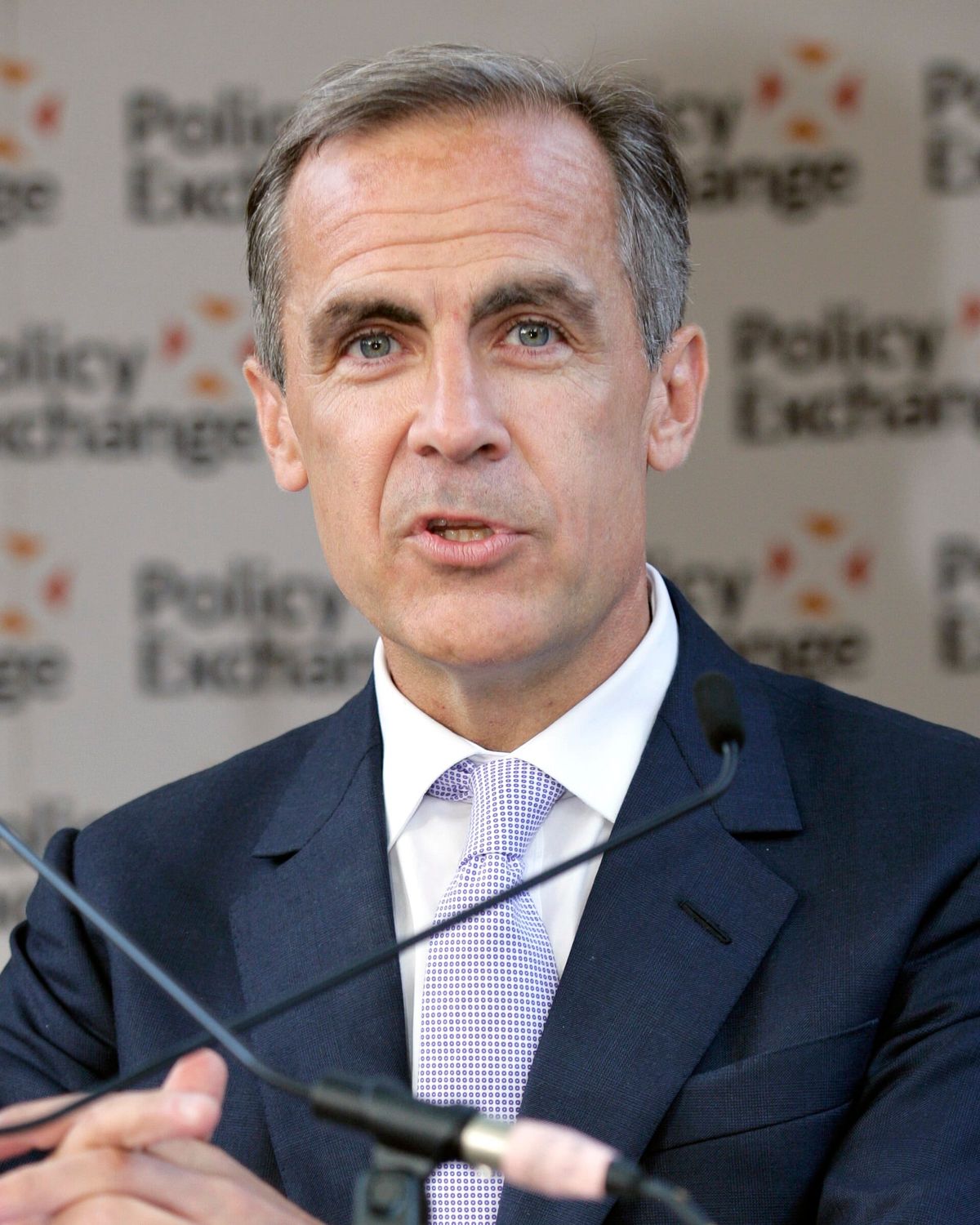
Canadian Prime Minister Mark Carney said Saturday that trade negotiations with President Donald Trump's administration are making progress as the two countries try to resolve their monthslong tariff dispute.
Carney offered the cautiously optimistic assessment while speaking with reporters at the Global Investment Summit in Ottawa.
"We are making progress," Carney said when asked about negotiations with Washington. "We are working on a number of issues with the Americans."
No Timeline Yet
The prime minister did not provide details about potential agreements or set a timetable for completing the negotiations.
READ MORE: Trump Threatens To Double Tariffs On Mexico If It Fails To Stop Migrant Caravan
His comments nevertheless marked a notable development after months of tension between Washington and Ottawa over tariffs and the future of their trading relationship.
Since returning to the White House, Trump has imposed tariffs affecting several major Canadian industries, including steel, aluminum and automobiles.
Carney said he would not "settle for a deal" that is inconsistent with "a viable Canadian auto sector."
"This is one of the fundamental issues in our trade negotiation, and we are making progress," Carney said, according to The Hill.
"There are discussions on steel, there are discussions on aluminum, there are discussions on autos, there are discussions on energy," he said, adding that Canada is "engaging constructively" with the Trump administration.
A Turbulent Relationship
Trump has argued that tariffs are necessary to protect American manufacturers, strengthen domestic production and address trade practices he believes disadvantage U.S. workers. Canada has responded with countermeasures while trying to negotiate exemptions and a broader agreement.
READ MORE: Rubio Says Global Elite Uses International Law to Weaken America
The relationship between the two leaders has been rocky. At one point Trump announced he was terminating negotiations and imposed an additional 10% tariff on Canadian imports.
Carney and Trump later spoke during the Asia-Pacific Economic Cooperation summit in South Korea, helping reopen communications. Carney has since said his government wants agreements that benefit workers and businesses on both sides of the border.
Deeply Linked Economies
Canada remains one of America's largest trading partners, with hundreds of billions of dollars in goods crossing the border every year. The two economies are especially integrated in auto manufacturing, agriculture and energy.
Vehicle parts can cross the border multiple times before a finished car reaches consumers, making tariffs especially significant for the auto industry. Canada is also the largest foreign supplier of crude oil to the United States and provides significant natural gas and electricity.
The talks come ahead of the scheduled 2026 review of the United States-Mexico-Canada Agreement, the trade pact Trump negotiated in his first term to replace NAFTA. Trump has repeatedly suggested the agreement needs significant changes.
Carney has tried to reduce Canada's economic dependence on the United States, pursuing new investment and trade ties with Europe and Asia, while continuing to negotiate with Washington. Even so, the sheer volume of cross-border commerce makes the relationship difficult for either country to replace.
Trump maintains that his tariffs are encouraging companies to invest and manufacture in the United States. Whether the progress Carney described produces an agreement remains unclear, but both governments are again actively negotiating. Canada argues that tariffs on its products can raise costs for American companies and consumers because the two economies are so deeply integrated.