Greenland's Parliament Approves Security Pact Expanding U.S. Military Presence on the Island
While Americans were focused on the midterm races, lawmakers in the Arctic handed President Donald Trump a major foreign policy win.
Greenland's parliament approved a security agreement with the United States and Denmark that opens the door to a larger American military presence on the strategically important island.
The measure passed 16-0, with seven abstentions, moving the three-way pact forward after months of negotiations over the island's future.
Trump signed the agreement on September 22 at United Nations headquarters in New York with Danish Prime Minister Mette Frederiksen and Greenlandic Prime Minister Jens-Frederik Nielsen.
READ MORE: Rubio Says Trump's Foreign Policy Won't Change Even With Democrats in Control of Congress
What the Deal Does
The agreement allows additional American bases while preserving Danish sovereignty and Greenland's status as a self-governing territory.
Its central security goal is one Washington cares deeply about: keeping countries outside NATO from establishing military footholds on the island. According to an analysis by the British House of Commons Library, the United States can block such military activity as well as certain investments by outside powers.
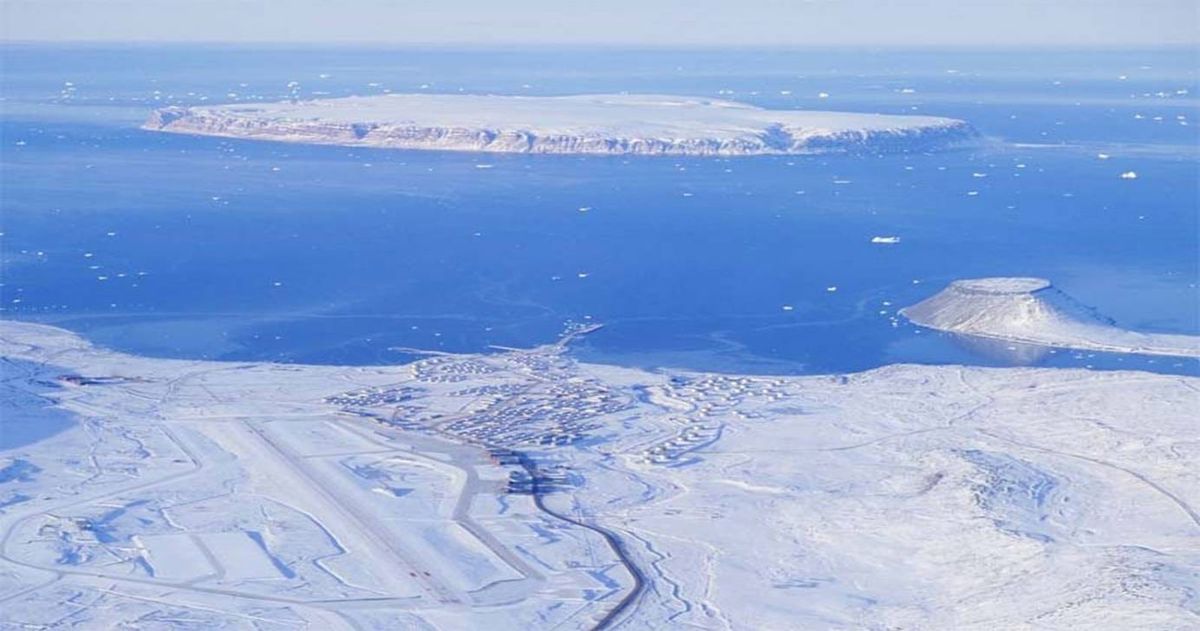
The deal allows modernization and expansion of Pituffik Space Base, formerly known as Thule, whose early-warning and satellite capabilities make it one of the most important U.S. installations in the Arctic.
It also names two additional defense areas, Narsarsuaq and Mestersvig, with the detailed arrangements still to be worked out. Those provisions give a concrete foundation for future military development, rather than just a declaration of cooperation.
The investment framework favors allies, limiting certain sensitive investments from countries outside NATO and the European Union. The analysis reported no exclusive American mining rights.
From Purchase Talk to a Security Pact
Trump had previously pushed for Greenland to become part of the United States, an idea that caused real tension with Denmark and Greenland's leaders.
READ MORE: Trump Says Pete Hegseth Is 'Doing a Very Good Job' Amid Reports He Could Be Replaced
The new pact channels that pressure into expanded defense cooperation instead, giving Washington a broader military role within an allied framework and without any transfer of territory. Greenland and Denmark keep their authority, while Washington gains stronger influence over which outside militaries can operate there.
It also anticipates a possible change in Greenland's political status. If the island ever becomes independent, the agreement would still apply, so American access does not depend on the current relationship with Denmark.
The framework has no end date and can only be changed by mutual consent, giving the administration a lasting arrangement instead of access that has to be renegotiated over and over.
The deal builds on decades of cooperation, including a 1951 defense agreement that underpinned U.S. operations in Greenland and a 2004 update that gave Greenland's government a bigger voice.
One More Vote to Go
Greenland's approval is a key step, but not the last one. Danish lawmakers are scheduled to debate the pact this month, and Denmark must finish its own process before the agreement takes effect, ABC News reported.
Denmark has described the agreement as rooted in NATO and respectful of Greenlandic self-determination. The vote had no opposition, though the seven abstentions show support was not universal.
If Denmark signs off, U.S. military planners will begin preparing the expanded footprint in coordination with Danish and Greenlandic authorities. For the administration, it is a national security achievement reached through negotiation with allied governments.