JB Pritzker Says Democrats Should Raise the Federal Minimum Wage on Day One
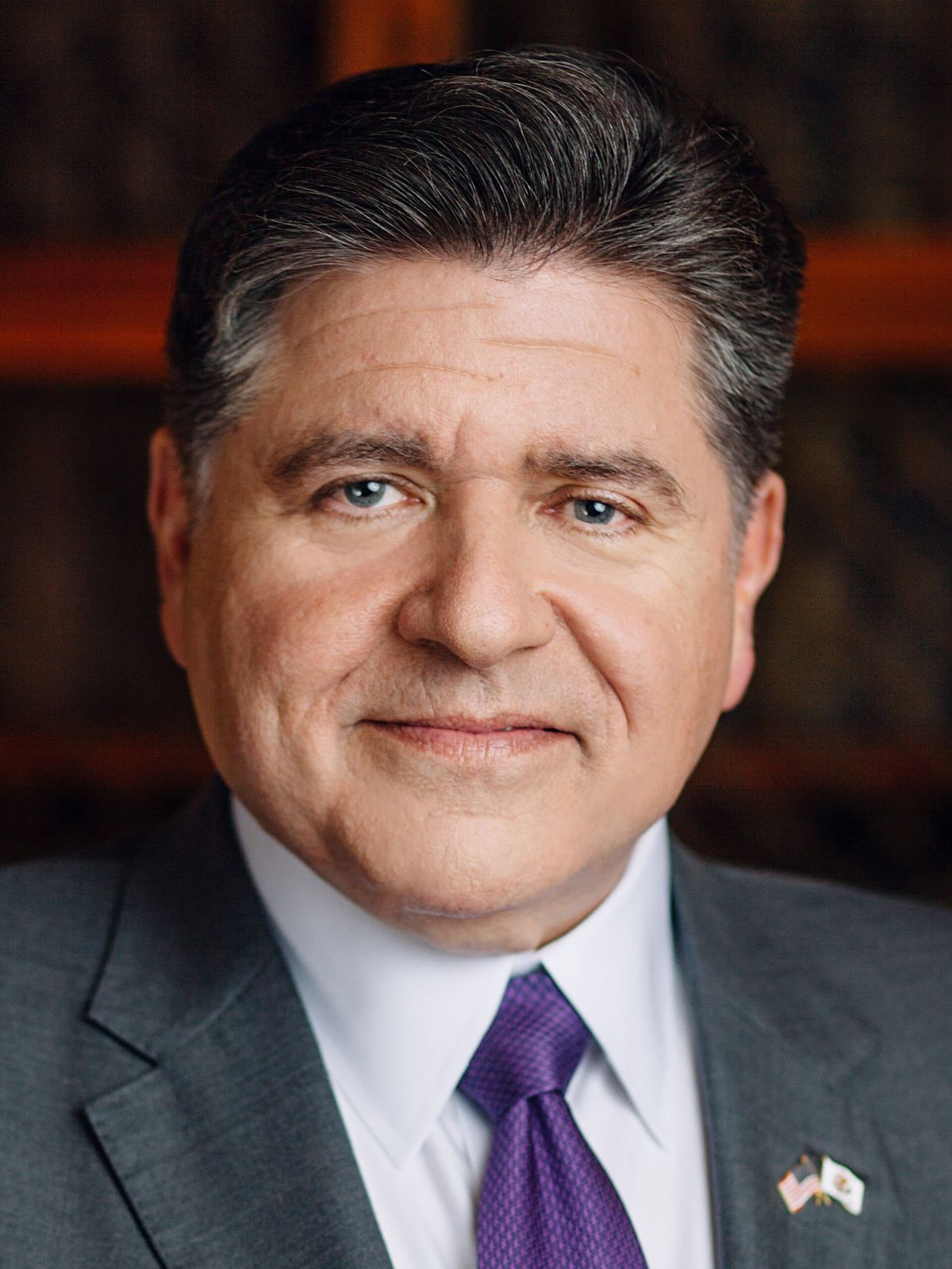
Illinois Gov. JB Pritzker is urging Democrats to make a federal minimum wage increase one of their very first moves once they take control of Congress.
Asked by CNN's Kaitlan Collins what Democrats should do on their first day, Pritzker didn't hesitate. "There's an easy way to start," he said. "Let's raise the minimum wage in the United States."
The answer puts a familiar Democratic demand at the front of the debate over how the party should use its new power, and it brings Pritzker's own record in Illinois into the national spotlight.
Pritzker did not name a target hourly figure, a timeline or a specific bill. He simply identified the priority, leaving the details to lawmakers.
READ MORE: Newly Elected Democrats Call for Chuck Schumer to Step Aside as Senate Leader
The Illinois Model
As governor, Pritzker signed a 2019 law that raised the Illinois minimum wage in stages. The final step took effect on January 1, 2025, lifting the rate for adult workers from $14 to $15 an hour, according to the Illinois Department of Labor.
Even within Illinois, the numbers vary. The state lists a $9 minimum for tipped workers and a $13 rate for certain employees under 18 who meet an hours threshold.
That history raises questions Democrats would have to answer at the national level: whether to phase in an increase over several years, as Illinois did, or move faster, and whether to set a fixed rate or build in automatic future increases.
Stuck at $7.25 Since 2009
Nationally, the minimum wage for covered, nonexempt workers is $7.25 an hour, according to the U.S. Department of Labor.
A 2007 law raised the federal floor in steps, from $5.85 to $6.55 and finally to $7.25. That rate took effect on July 24, 2009, and has not changed since, through both Democratic and Republican administrations.
Many states already require more than the federal minimum, and workers covered by both get whichever rate is higher. That means a federal increase would hit employers differently depending on where they operate and how high the new floor is set.
READ MORE: Schumer Says Democratic Senate Will Investigate Trump: 'Should We Investigate? Yes'
Tipped workers add another layer. Federal rules let employers pay qualifying tipped employees $2.13 an hour directly, as long as wages plus tips reach the minimum. If they fall short, the employer has to make up the difference.
A Fight in Washington
Supporters say the argument is simple: raising the legal floor raises pay for the workers affected. Republicans are likely to push back hard on what mandates do to employers, hiring and prices for consumers.
Any increase would require Congress to pass legislation changing federal law, and it would also need the president's signature. Pritzker's job as governor gives him a platform to push the idea, but the decision rests in Washington.
The real fight will be over the amount, the timing, who is covered and what it does to the broader economy, not over whether Pritzker wants it done quickly.
Pritzker's comments came as Democrats debated their opening agenda after sweeping both chambers of Congress, with many incoming members promising to focus on affordability and the cost of living.
His message to his party was clear: start the new Democratic majority with a federal wage mandate.