Hakeem Jeffries Could Face a Bigger, Bolder Squad if Democrats Win a Narrow House Majority
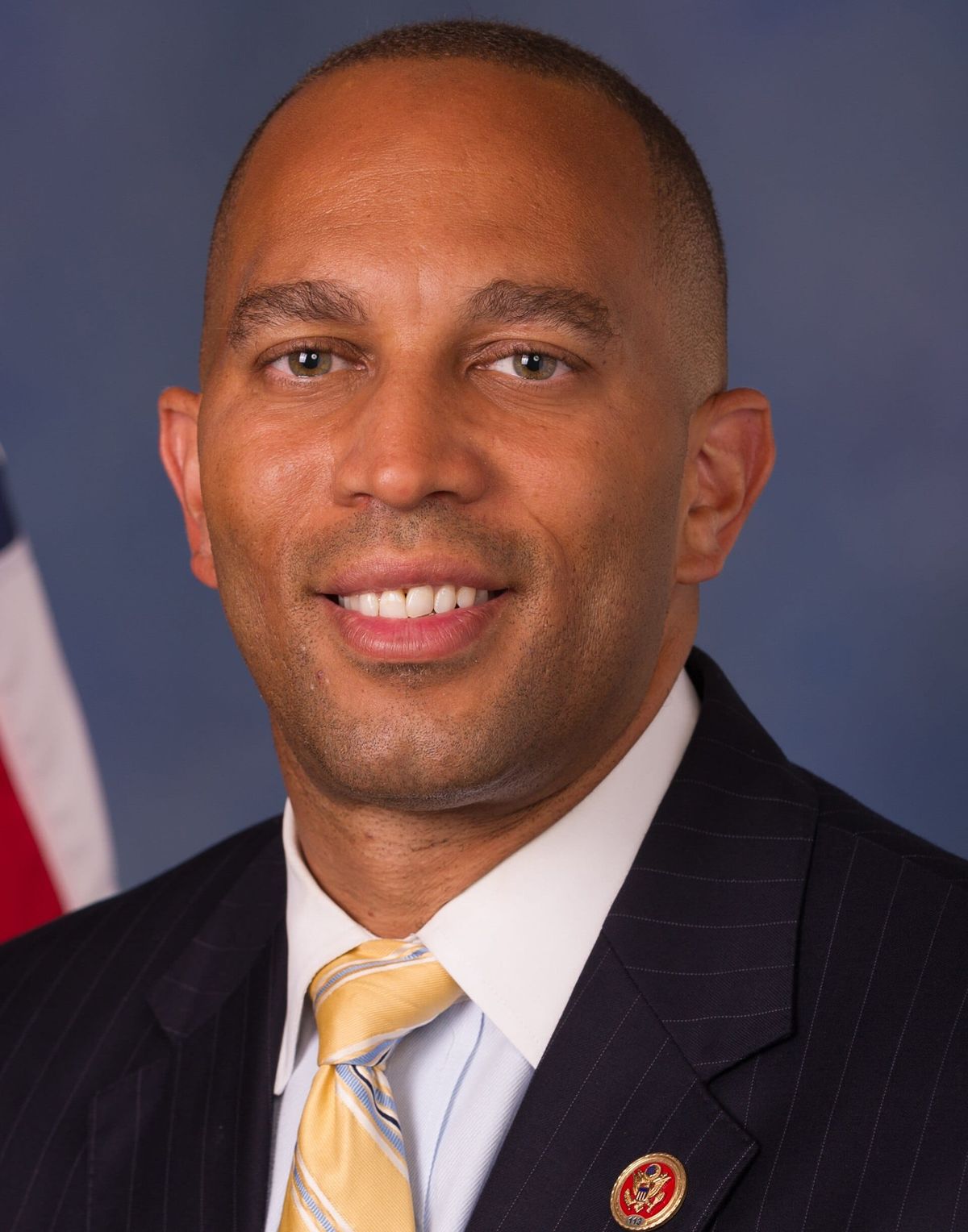
Hakeem Jeffries is hoping Tuesday ends with him on track to become speaker of the House. But if Democrats win only a narrow majority, he could find himself managing a much larger and more assertive left flank.
The New York Post reported that the progressive "Squad," which has a core of seven members today, could grow to roughly 16 lawmakers after the midterms. A broader group of like-minded progressives could approach two dozen, though not every member backs every policy pushed by the Democratic Socialists of America.
DSA's Growing Slate
DSA has endorsed 10 congressional candidates this cycle, along with hundreds of candidates for state and local office. Many of its House picks are running in deep-blue districts.
The group says seven of its endorsed candidates are positioned to serve in the next Congress, including Reps. Alexandria Ocasio-Cortez and Rashida Tlaib, as well as Chris Rabb, Melat Kiros, Donavan McKinney, Darializa Avila Chevalier and Claire Valdez.
READ MORE: Control of the House Could Run Through New York as Republicans Fight for Four Swing Seats
Some of these lawmakers and candidates have discussed acting as a coordinated faction, sometimes called "the Bloc."
Why a Small Majority Means Big Leverage
A disciplined bloc can wield outsized power when leadership can afford to lose only a handful of votes. Progressives used that dynamic before to shape spending fights and President Joe Biden's domestic agenda.
An expanded group could push Democrats further left on healthcare, immigration, housing, labor and the Israeli-Palestinian conflict. Medicare for All remains a top priority, and several DSA-backed candidates support rent control, more public housing and higher taxes on corporations and the wealthy.
Immigration could be the sharpest clash with Republicans. Some DSA-backed politicians have called for abolishing Immigration and Customs Enforcement or radically restructuring immigration enforcement, putting them on a collision course with President Donald Trump's deportation agenda.
Other ideas linked to the movement include government-supported grocery stores, a signature promise of New York City Mayor Zohran Mamdani, along with ending cash bail and limiting life-without-parole sentences. Several DSA-backed politicians have also demanded limits on, or an end to, U.S. military aid to Israel.
A Headache for Leadership
The coalition is not uniform, and its members differ on specific policies and tactics. The Squad itself has changed since Ocasio-Cortez, Tlaib, Ilhan Omar and Ayanna Pressley arrived in 2019.
READ MORE: Trump Says He'll Become 'Mr. Veto' if Democrats Take Congress as White House Readies a Backup Plan
Additional lawmakers later became associated with the group, giving its members a bigger platform within Democratic politics.
Ocasio-Cortez has become one of the party's top fundraisers, bringing in more than $37 million this cycle, according to federal figures cited by the Post. A Mamdani campaign strategist recently described DSA's goal as building enough power to reshape the Democratic Party from within and floated a future presidential run for her, though she has not announced a 2028 campaign.
Republicans have made the rise of the socialist wing a centerpiece of their national message.
If Democrats do take the House, Jeffries and his leadership team could face hard choices about how far to bend to progressive demands when their majority depends on those votes.
Democratic leaders will be watching closely, since every seat in a narrow majority matters when a single faction can threaten to withhold its votes.
How much influence an expanded Squad actually has will depend on Tuesday's results and the size of whichever majority emerges.