Judge Boasberg Orders Parts of Ilhan Omar Search Warrant Released but Keeps Affidavit Sealed
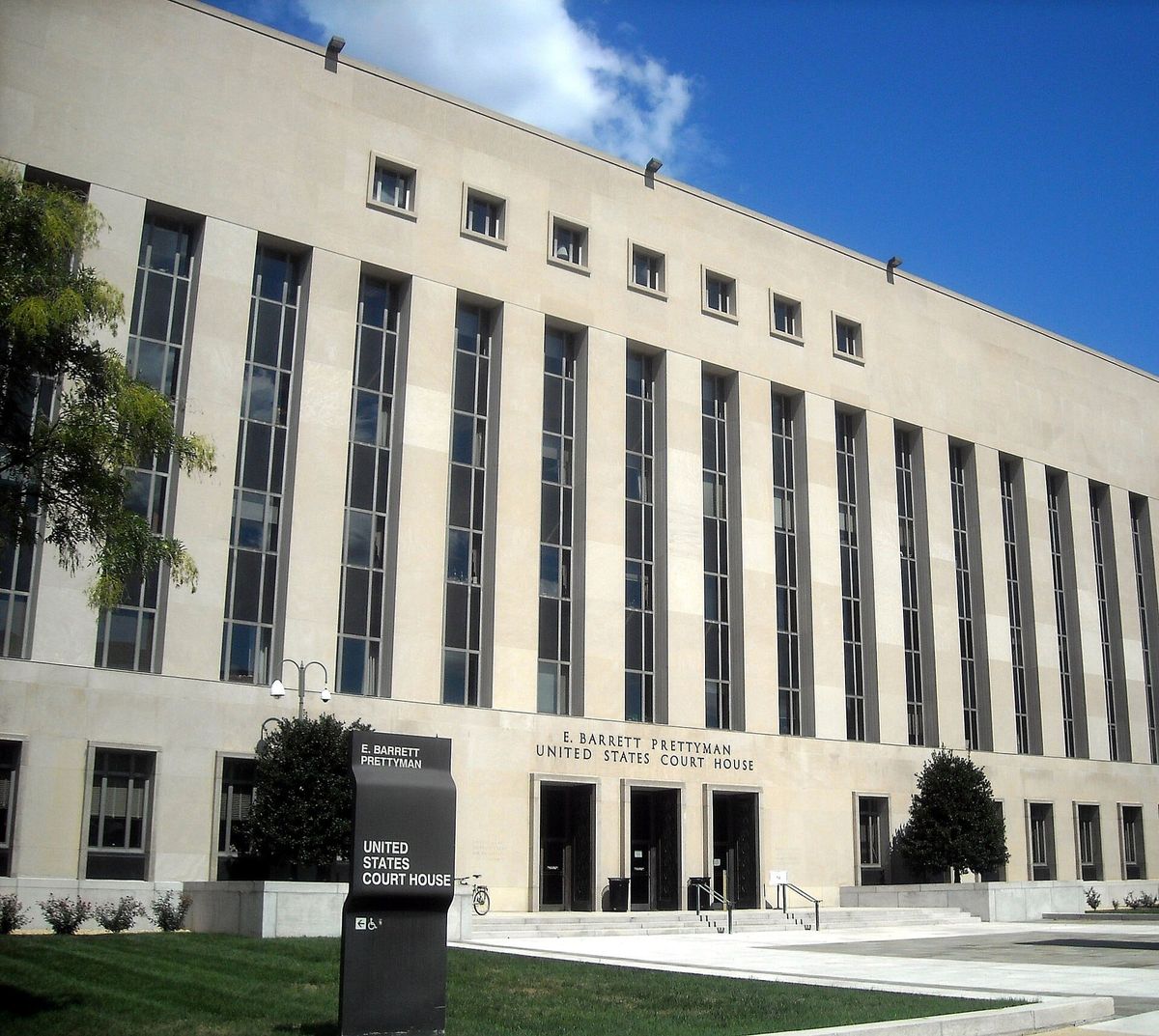
A federal judge has ordered portions of the search warrant for Rep. Ilhan Omar's Washington home released, potentially giving Americans their first detailed look at records surrounding last month's search.
Chief Judge James Boasberg ruled Tuesday that some warrant materials can be made public despite objections from Justice Department prosecutors.
"Parts of the warrant can be released," Boasberg said during Tuesday's hearing, according to the New York Post.
According to KMSP, the documents are scheduled for release at the close of business Monday. The judge gave prosecutors until Friday to identify information they believe should be redacted before the records become public. That means the release will involve selected records rather than unrestricted access to the government's investigative file.
READ MORE: Judge Sets Hearing on Unsealing Records From Search of Ilhan Omar's Home
Affidavit Stays Sealed
A central document will remain sealed: the 67-page affidavit submitted to support the search warrant.
Boasberg said that affidavit contains the "vast majority" of information about the government's case, the Post reported.
An affidavit typically explains the factual basis investigators present when asking for permission to search. Without it, the public may learn more about the scope of the search while seeing much less of its underlying justification.
Prosecutors opposed disclosure, citing concerns about compromising their investigation, while the applicants emphasized accountability surrounding the search of a sitting member of Congress.
Boasberg's approach allows partial disclosure while preserving the affidavit and giving prosecutors an opportunity to propose redactions.
Judicial Watch Welcomes Ruling
Media organizations and the conservative watchdog Judicial Watch had pushed to open records associated with the Oct. 12 search of Omar's residence.
READ MORE: Former Immigration Judge Says Ilhan Omar Could Face Citizenship Challenge If Fraud Is Proven
Sean O'Donnell, a senior attorney with Judicial Watch, argued that keeping basic warrant materials secret was unnecessary. "There's no reason this should be withheld from the public," he said, according to the Post.
O'Donnell said he expects substantial warrant material to become available, along with an inventory identifying items seized during the search. Such an inventory could help show what investigators collected, even without revealing their full theory of the case.
What Comes Next
The dispute concerns public access to court records, not a determination of Omar's guilt or innocence. The release cannot establish what any seized documents show or whether prosecutors will ultimately bring charges.
Reporting has raised questions about Omar's marriage history, immigration records, age and identifying information. In an October filing, prosecutors identified her as "Congresswoman Ilhan Nur Said Elmi, a/k/a Ilhan Abdullahi Omar," the Post reported. Those issues have attracted extensive attention among Republicans demanding closer examination of the Minnesota Democrat.
Citizenship questions carry particular political weight because Article I of the Constitution requires House members to have been U.S. citizens for seven years before taking office.
The ruling also produces an unusual alignment between conservative transparency advocates and a judge frequently criticized by Trump supporters. Boasberg has clashed with the administration over deportations, and Rep. Brandon Gill, a Texas Republican, filed impeachment articles against him over subpoenas for Republican lawmakers' phone records in former special counsel Jack Smith's Arctic Frost investigation.
Friday's redaction deadline comes first, followed by the anticipated Monday release. Judicial Watch and the media applicants will then see how much information survives the government's proposed redactions.