Mamdani Threatens to Sue Trump Administration Over ICE Use of City Parking Lots on the Eve of the Midterms
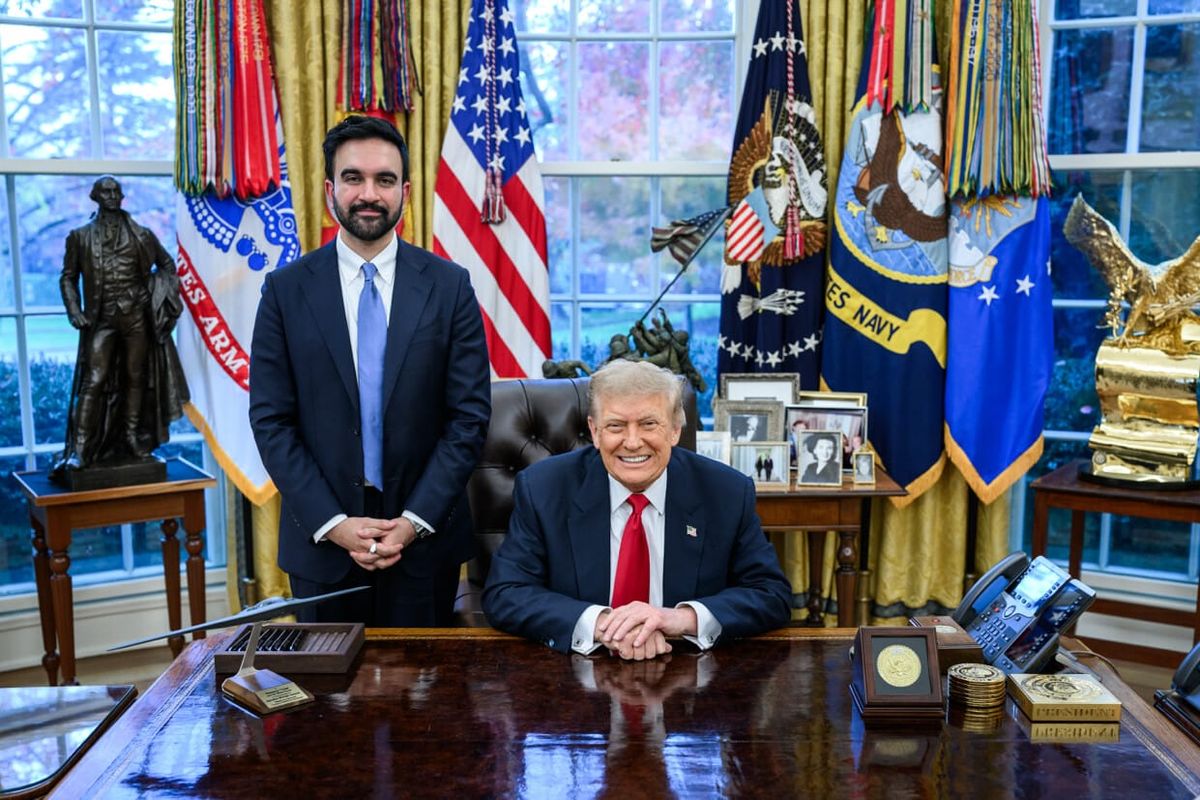
New York City Mayor Zohran Mamdani threatened on Monday to take President Donald Trump's administration to court, escalating a fight over where federal immigration agents can prepare for arrests inside the city.
The dispute centers on reports that Immigration and Customs Enforcement agents have been using city-owned parking lots as staging areas. Mamdani laid out his objections in a letter to Homeland Security Secretary Markwayne Mullin and senior ICE officials.
The letter points to a lot near Van Cortlandt Park in the Bronx, along with locations on 111th Street beside Flushing Meadows Corona Park in Queens. The Queens lots sit near a city-run preschool and cultural institutions that draw children and families.
City Says ICE Never Got Permission
Mamdani argues the agency never received authorization to use those lots for enforcement operations. If the activity continues after his formal demand, he says, the city will sue.
Corporation Counsel Steven Banks backed that up, saying the city is prepared to go to court if the alleged conduct does not stop.
The mayor's office also issued new instructions to Parks Department workers. When federal agents ask to enter nonpublic areas, employees are told to call supervisors and city lawyers, have warrants reviewed and document the encounter when possible. They are also told not to physically confront officers.
Those steps build on an executive order signed in February restricting the use of city property for immigration enforcement staging. Earlier, Mamdani had urged private garage operators to refuse space to immigration officers.
That earlier push followed an October incident in the Bronx's Marble Hill neighborhood, where a man was shot during an encounter with a federal immigration agent while his young son was inside the vehicle. That case is separate from the parking lot dispute.
The Administration Pushes Back
Federal officials reject the idea that officers are breaking the law simply by parking in publicly accessible lots. A Homeland Security spokesperson said such arrangements are lawful and routine for law enforcement across the country.
Supporters of the administration point out that immigration enforcement is a federal responsibility, not something cities can opt out of. Local governments can decline to help, but they cannot cancel federal law. Republicans also argue that officer safety and practical access deserve weight when staging locations are chosen.
At the same time, federal authority does not automatically mean unlimited access to every piece of city property, especially restricted areas. That is the narrow question a court would likely have to answer: whether agents need permission to use these particular lots.
The answer could turn on how the lots are classified, what regulations apply and whether federal law allows exceptions for official operations. No court ruling on the threatened lawsuit had been reported as of Monday.
New York's sanctuary rules already limit some cooperation with immigration authorities, though they do not erase federal jurisdiction. In October, a federal judge dismissed an earlier administration challenge to those policies, but that ruling dealt with forced local cooperation, not access to city property.
A Clash Timed for Election Day
The fight lands one day before the November 3 midterms, with immigration still among the most heated issues in the country. Trump and Republican candidates have hammered border security and deportations throughout the campaign.
For conservatives, the episode is another example of a progressive city government standing in the way of federal enforcement. For Mamdani, it is about protecting public spaces and the families who use them.
Either way, ICE's ability to keep enforcing immigration law elsewhere does not hinge on this dispute. If Mamdani follows through, his lawyers will have to show a legal basis for blocking federal use of the lots, and the administration will get its chance to defend its authority in court.