Trump Administration Asks Supreme Court to Set Aside 20,000 California Ballots Before Tuesday's Vote
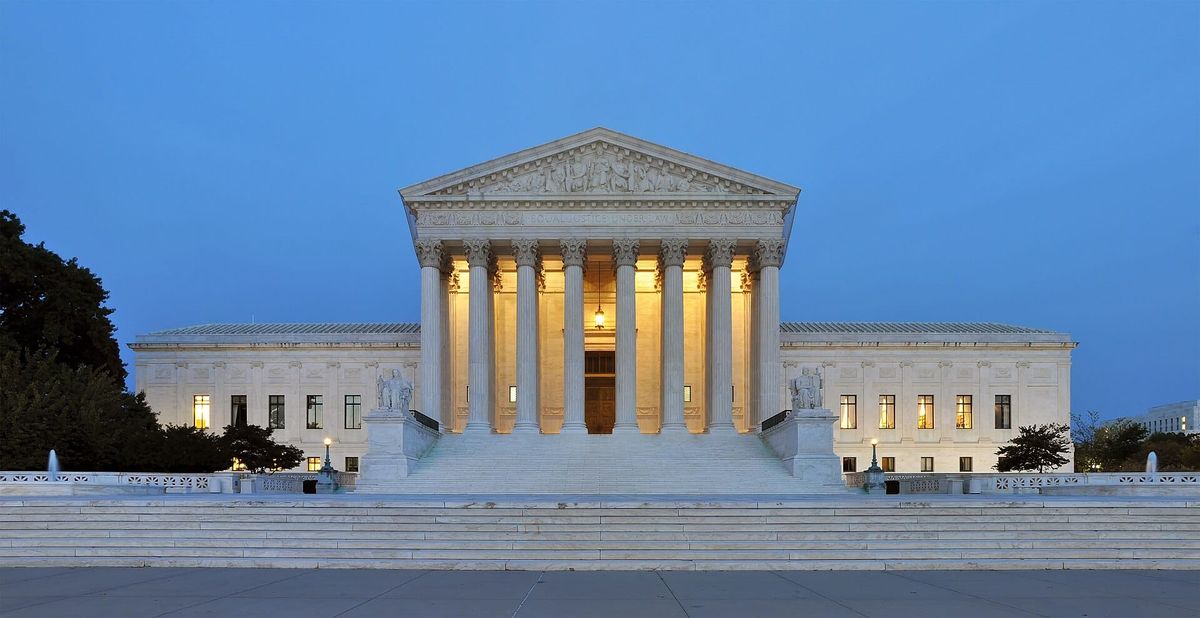
President Donald Trump's administration has taken a high-stakes California election fight to the Supreme Court, asking the justices to step in just before Tuesday's midterm elections.
The Justice Department wants election officials to set aside ballots tied to more than 20,000 registered voters it suspects may not be U.S. citizens. Under its request, those ballots would stay uncounted until officials can confirm whether the voters meet federal eligibility requirements.
Solicitor General D. John Sauer filed the emergency appeal Monday after two lower courts turned the administration down.
What the Government Is Asking For
The administration is not asking the court to throw out the ballots for good. It is seeking temporary relief to keep the disputed ballots separate while the lawsuit plays out.
Sauer called the request a "modest remedy" designed to protect lawful ballots. He warned that once questioned ballots are mixed into the count, it may become impossible to pull them back out, and argued that illegal votes, if counted, would dilute the ballots of eligible citizens.
Federal law bars noncitizens from voting for president, Congress and other federal offices. The government's list, however, identifies suspected noncitizens, not 20,000 people proven to have voted illegally.
The Justice Department first raised the flagged registrations with California's secretary of state and Los Angeles County election officials. When California rejected the demand, the department sued and asked for emergency intervention.
Two Courts Said No
U.S. District Judge David Carter, a Clinton appointee, denied the government's request for a temporary restraining order last Wednesday. He wrote that the proposed action "would wreak havoc and disrupt the election," warning against sudden changes while voting was already underway.
Carter also questioned the strength of the federal evidence and considered appointing a special master to examine how the government assembled its list. The Ninth Circuit then declined on Friday to order the ballots separated.
First Assistant U.S. Attorney Bill Essayli criticized the district court for refusing to intervene, arguing that continued ballot processing puts the lawful votes of eligible citizens at risk.
California officials say the list is unreliable. They say some people on it were identified as born in the United States, while others had canceled registrations or no voting history. They warn that legitimate citizens could lose their votes.
Timing adds to the difficulty. By Sunday, well over six million mail ballots had arrived statewide, and election workers say processed ballots can become detached from the envelopes that identify them.
What Happens Next
The appeal is part of a broader administration push to strengthen citizenship checks using federal databases. In September, the Supreme Court allowed expanded federal citizenship checks to continue while related litigation proceeds, though that ruling did not find that any of the California voters are noncitizens.
Reuters has reported relatively few federal prosecutions for noncitizen voting over the decades. Supporters of the appeal say that does not relieve the government of its duty to investigate credible cases.
The stakes are high. California's House races could help decide which party controls the chamber next year, and both parties are watching every contested district closely.
As of Monday, the Supreme Court had not acted on the request. Any decision would address how ballots are handled this week rather than settle the underlying lawsuit, leaving the justices to weigh ballot integrity against the risk of shutting out eligible voters on the eve of the election.