Newsom Faces Backlash From Prosecutors Over Plan to Review Death Row Commutations
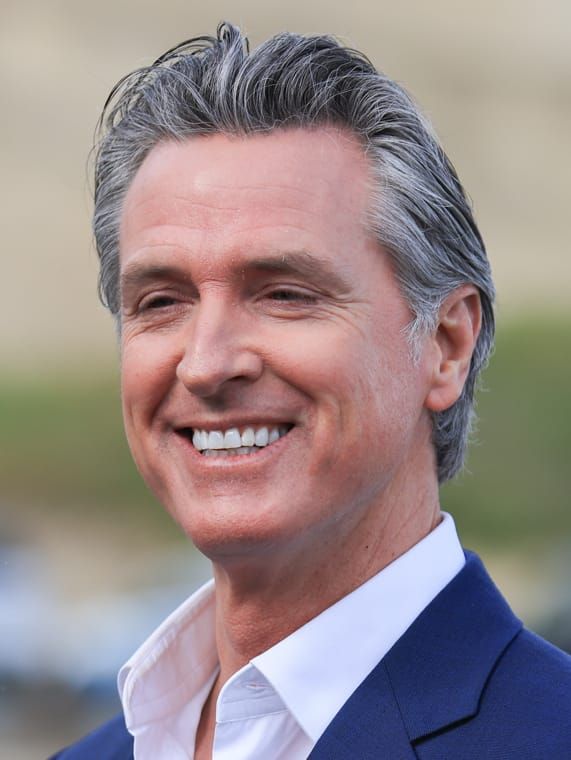
California Gov. Gavin Newsom is facing a revolt from prosecutors after announcing he will consider clemency for hundreds of inmates on death row.
Newsom directed the state Board of Parole Hearings to conduct individual investigations into whether the sentences of about 500 death-row prisoners should be commuted to life without parole.
The order does not immediately commute any sentences. Each inmate must go through a separate review before Newsom decides on clemency, but prosecutors warn the process could wipe out nearly every death sentence in the state.
"California's death penalty is broken beyond repair," Newsom said, arguing that capital punishment has been applied unfairly and has not improved public safety.
READ MORE: California Voters Reject Prop 39 Voter ID Amendment by Wide Margin
The governor said the process would examine each case individually and would not result in automatic commutations, a point his administration says is consistent with his longstanding position.
"A Slap in the Face to Victims"
Riverside County District Attorney Michael Hestrin called the plan "an appalling abuse of executive power and a slap in the face to victims, their families, and every Californian who believes in justice."
"Those verdicts were not political," Hestrin said. "They were the product of due process, careful deliberation, and the rule of law." Hestrin noted that California juries imposed the sentences after weighing the evidence and aggravating circumstances in each case.
Los Angeles County Deputy District Attorney John McKinney was just as blunt. "This isn't about justice," he told Fox News Digital. "This is about one man imposing his personal ideology on an entire state."
McKinney noted that victims' families endured long trials, appeals and decades of litigation believing the death sentences would stand. Former Los Angeles County prosecutor Eric Siddall added, "Victims deserve a voice in this process."
Notorious Killers on Death Row
California has the largest death-row population in the nation, including serial killers, child murderers and people convicted of killing multiple victims.
READ MORE: Virginia Voters Approve Constitutional Amendment Expanding Abortion Rights
Among them is Richard Allen Davis, convicted of kidnapping and murdering 12-year-old Polly Klaas in 1993, a crime that helped fuel California's "three strikes" law. Another is Cary Stayner, convicted of murdering four women near Yosemite in 1999.
Newsom cannot commute every sentence on his own. Under the state constitution, clemency for an inmate with two or more felony convictions requires approval from a majority of the California Supreme Court.
Even so, the governor has steadily used his executive authority to move California away from capital punishment throughout his time in office.
Voters Said Keep It
Newsom has opposed the death penalty throughout his time in office. He imposed a moratorium on executions in 2019, closed the execution chamber at San Quentin and moved condemned inmates to other prisons. California has not executed anyone since 2006.
But California voters have repeatedly refused to abolish capital punishment, rejecting repeal measures in both 2012 and 2016.
In 2016, voters instead approved Proposition 66, which was meant to speed up appeals in death penalty cases. Newsom said when announcing his 2019 moratorium that he could not take part in executions he considered immoral and ineffective.
Prosecutors say the fight is now about whether a governor should effectively override sentences handed down by juries under laws California voters chose to keep.