Poll: 35% of Trump's 2024 Voters Stayed Home in Midterms, Giving GOP 'Some Hope' for 2028
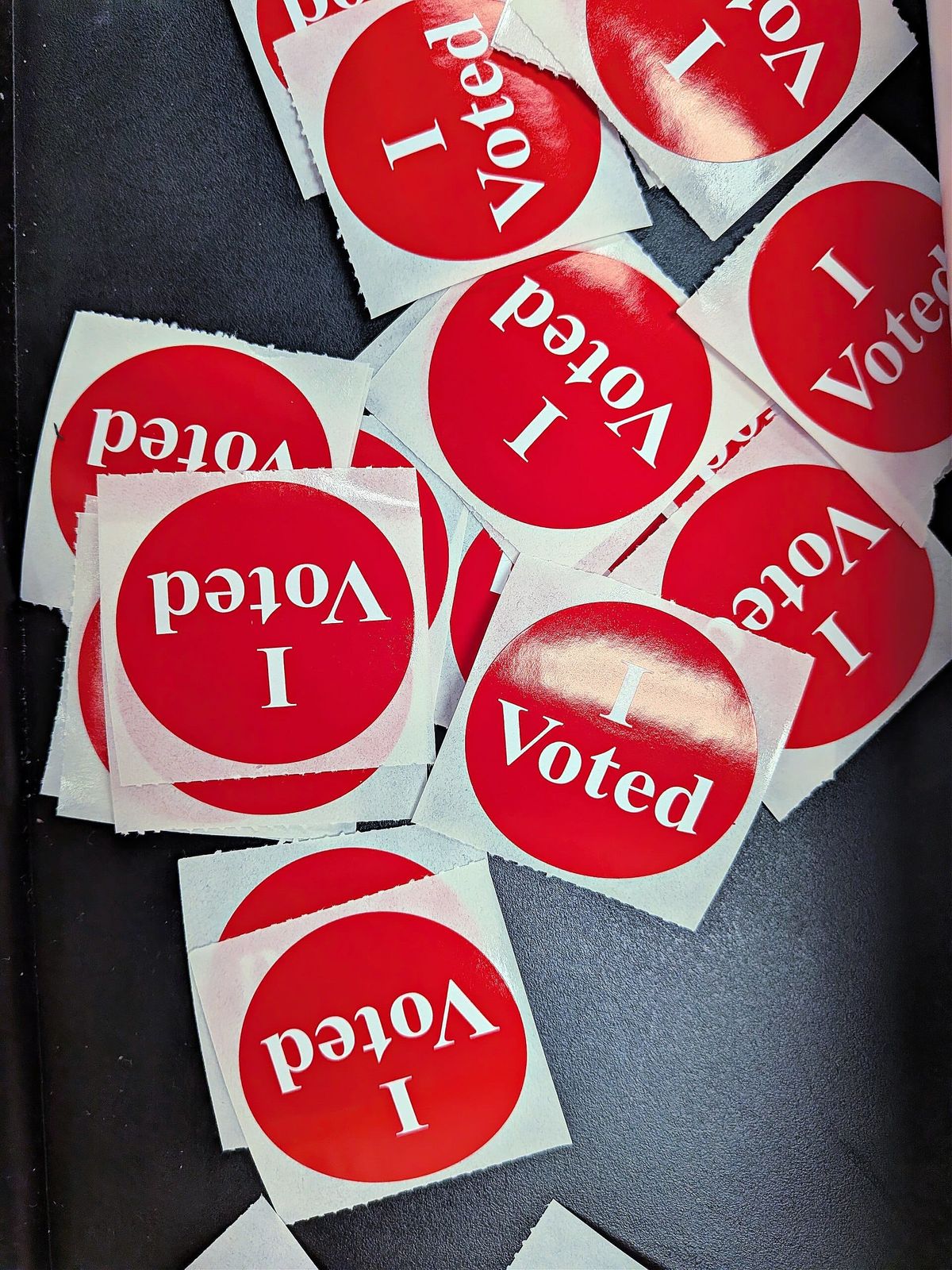
Republicans took a beating in this month's midterm elections, but new post-election polling suggests the losses were driven less by voters switching sides than by Trump supporters simply staying home.
J.L. Partners co-founder James Johnson said the firm's research found that 35% of President Donald Trump's 2024 voters did not participate in this year's midterms. Another 8% switched sides and backed Democratic candidates, according to figures discussed Saturday on Breitbart News.
Democrats made historic inroads in traditionally red states, winning a number of governorships and building sizable majorities in both the House and the Senate.
Trump's Base Sat It Out
Johnson said the turnout drop was especially pronounced among working-class, rural and older voters who have been key parts of Trump's coalition.
Among non-college graduates who voted for Trump in 2024, 46% did not vote in the midterms. Thirty-nine percent of rural Trump voters stayed home, as did 44% of Trump supporters over 65.
"So, we're really looking at that sort of original base of Trump not coming out in the midterms," Johnson said.
Johnson pointed specifically to voters without college degrees, a group that became increasingly important to Republicans across Trump's three presidential campaigns.
He acknowledged the damage. "Now, obviously, that's a bad thing for Republicans," he said. "That's a key driver behind that bad result."
'Some Hope for Republicans'
But Johnson argued there is an important difference between voters abandoning the party and voters skipping a midterm.
"The fact that turnout had such a big impact does give some hope for Republicans, because midterms are a very different type of electorate," he said. "A different voter comes out, and here it was the Trump voter that really didn't come out."
READ MORE: JD Vance Blames Iran War for GOP Midterm Losses: 'The Reason We Lost Is the War'
"If it was determined by huge numbers of switchers, I'd be more concerned," Johnson added.
He said some of those voters traditionally show up only for presidential elections and pay far less attention to congressional races. "I think there's, on the more generous side for Republicans, there's a sense that some of these voters don't ever vote in midterms, they just, they vote in presidential elections," Johnson said. "Or they felt like, oh, they didn't have time, they had other things to do. They didn't really know about it. They didn't really worry about Congress."
Economy Still a Warning Sign
Johnson also offered a less comforting explanation: some Trump voters may have stayed home because they were unhappy with the party's handling of the cost of living, inflation and gas prices. "Remember turnout is also persuasion," he said. "You have to persuade people to come and turn out."
That is consistent with the Associated Press VoteCast survey, which found frustration over everyday costs was an important factor among voters who backed Democrats, along with dissatisfaction with Trump and Republicans, though not necessarily broad enthusiasm for the Democratic Party.
Johnson said the distinction could matter in 2028, when turnout is traditionally much higher. "But, when it comes to a presidential election, and perhaps if there's a nominee that the president is fully behind, you could see a world in which those voters actually come out again," he said.