Supreme Court AR-15 Ban Case Hits Unexpected Snag as Lead Plaintiff Withdraws
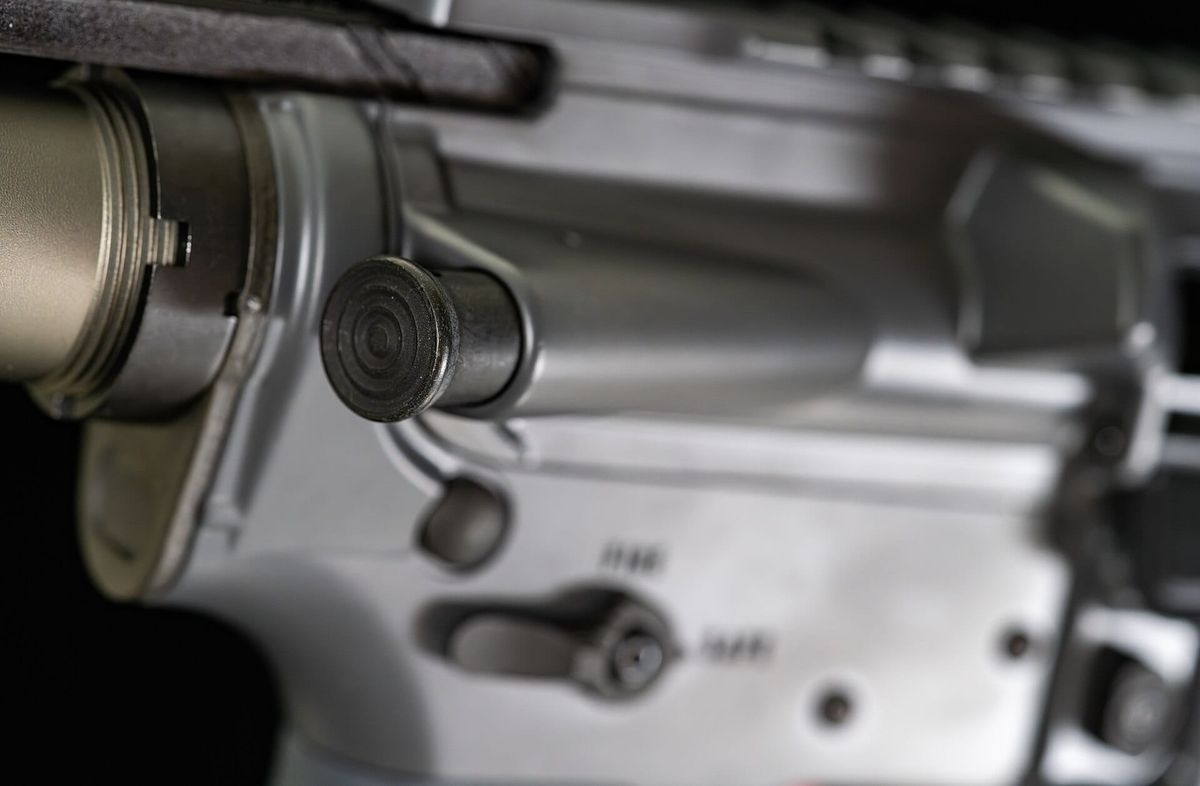
A major Supreme Court showdown over AR-15 bans has run into an unexpected procedural problem just weeks before oral arguments are scheduled.
Cook County, Illinois, is now urging the justices to throw out a challenge to its assault weapons ordinance after the lead plaintiff asked to withdraw from the case.
The county ordinance restricts the possession and sale of designated assault weapons and large-capacity magazines, including AR-15-style semiautomatic rifles.
Two Illinois residents challenged the law, arguing it violates the Second Amendment. But attorneys for lead plaintiff Cutberto Viramontes filed a brief request to remove him from the litigation.
READ MORE: Harmeet Dhillon Resigning as Head of Justice Department's Civil Rights Division
The procedural fight comes at a difficult moment for gun rights advocates, who have waited years for the justices to directly address whether bans on popular semiautomatic rifles are constitutional.
Cook County Pounces
Cook County responded Thursday, arguing that without Viramontes the case no longer offers a proper vehicle for the Supreme Court to decide the constitutional question.
Democratic State's Attorney Eileen O'Neill Burke questioned the unexplained development in her filing, suggesting the plaintiff's circumstances may have changed, though no specific reason was given.
The county also argued that the remaining plaintiff, Christopher Khaya, wants an IMI Galil rifle rather than an AR-15. County lawyers say that matters because the Court framed its review around AR-15s and similar rifles.
Gun rights groups disagree. The Second Amendment Foundation and Firearms Policy Coalition have also joined the litigation, giving them additional arguments for keeping the case alive.
Connecticut Case Still on Track
Even if the Illinois appeal is dismissed, gun owners have another path. A separate challenge to Connecticut's restrictions remains before the Court, and the justices accepted both cases in June.
READ MORE: Justice Kagan Rejects Surrogate's Emergency Bid in Custody Fight Over Medically Fragile Baby
A ruling in the Connecticut case could shape how courts evaluate similar bans across the country, including the one in Cook County. Connecticut tightened its restrictions in 2013 after the Sandy Hook massacre.
Second Amendment supporters point to the Court's 2008 ruling recognizing an individual right to keep firearms and its 2022 Bruen decision, a 6-3 ruling that struck down New York's strict carry licensing rules.
Advocates estimate that 20 million to 30 million AR-15-style rifles are owned in the United States, and they argue such commonly owned firearms fall squarely under constitutional protection.
Their central argument is that constitutional rights cannot depend on local political preferences, and that a rifle owned by tens of millions of law-abiding Americans cannot simply be outlawed by a county board.
What Comes Next
Supporters of the bans counter that governments have long regulated weapons considered unusually dangerous, and Cook County cited deadly mass shootings in defending its ordinance.
Opponents say elected governments must keep the authority to respond to gun violence with targeted restrictions, which means the case is as much about the reach of state and local power as it is about individual rights.
Justice Brett Kavanaugh has previously suggested the Court should take up the AR-15 question soon. Before reaching it in the Illinois case, the justices must first decide whether that case can proceed at all.
For millions of gun owners, the outcome could decide whether longstanding rifle bans survive, and the Connecticut case ensures the fight is far from over.