Supreme Court Turns Down Trump Bid to Set Aside 20,000 California Ballots as Newsom Celebrates on Election Day
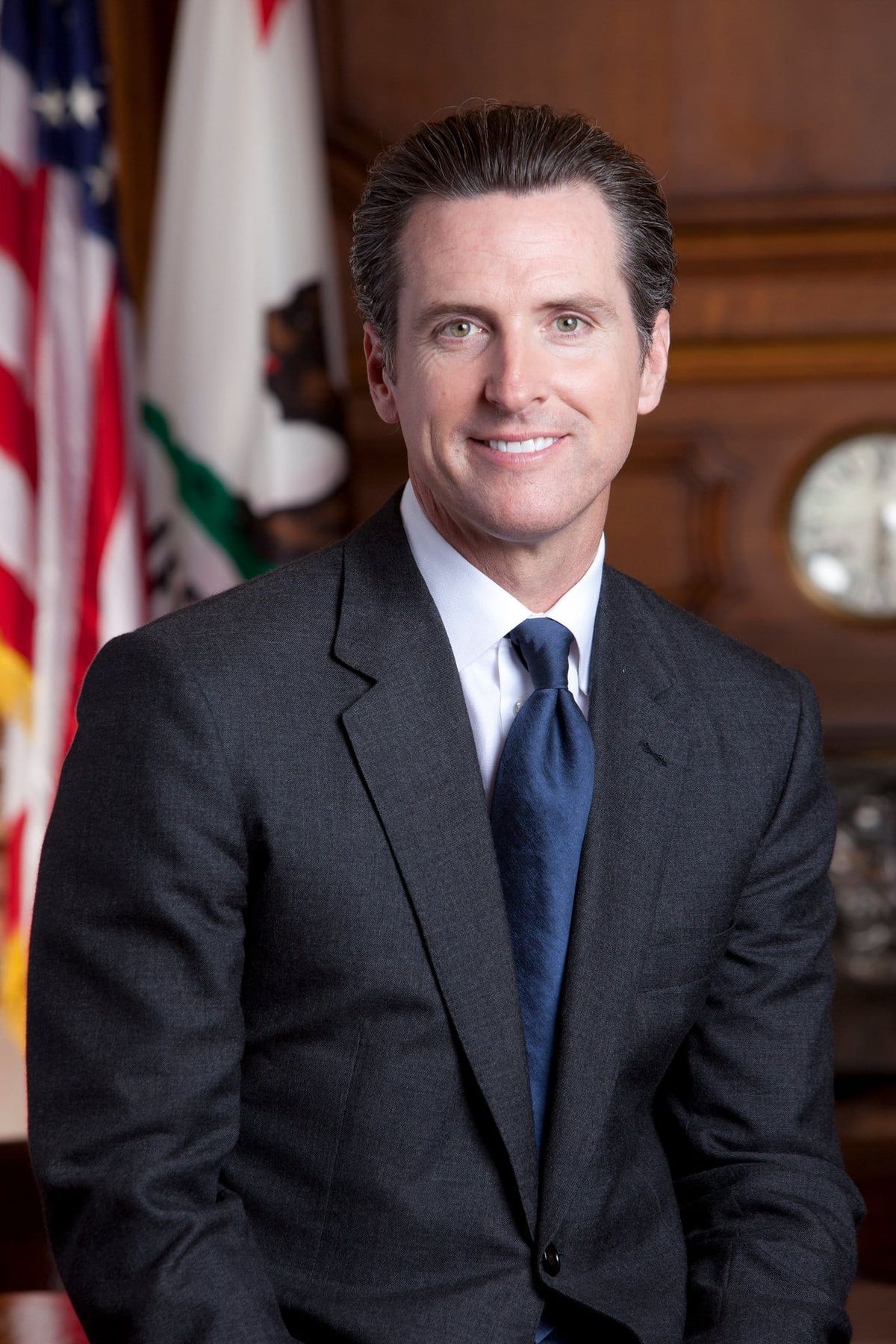
The Supreme Court on Monday rejected the Trump administration's emergency request to make California set aside mail ballots from more than 20,000 voters flagged as possible noncitizens, and Gov. Gavin Newsom wasted no time taking a victory lap.
The unsigned, one-sentence order came just hours before Election Day and gave no explanation. No justice publicly dissented, leaving California free to keep processing the disputed ballots under its existing procedures.
Newsom, widely seen as a likely 2028 presidential contender, quickly went to X. "BREAKING: California just secured a HISTORIC Supreme Court defeat against Donald Trump," he wrote. "The Court rejected Trump's emergency request without even asking the other side to respond — a first. Democracy won. VOTE!"
What the Administration Wanted
The Justice Department had asked the court to order California to separate ballots tied to registered voters whom federal officials believe may not be citizens. Federal law bars noncitizens from voting in federal elections, and the administration argued that setting the ballots aside was necessary while officials checked the voters' status.
Solicitor General D. John Sauer warned that once the disputed ballots were mixed in with lawfully cast ones, there would be no way to pull them back out. Segregating them right away, he argued, was "the only way to preserve the district court's ability to grant relief."
The administration had originally alleged that roughly 190,000 potentially ineligible voters were on California's rolls before narrowing its court request to a little over 20,000.
Federal officials also stressed that being flagged as a possible noncitizen does not by itself mean a person registered or voted illegally. The request, they said, was meant to preserve evidence while that question was investigated.
Sharp Words From Essayli
First Assistant U.S. Attorney Bill Essayli has accused Newsom of fighting to get every ballot counted regardless of eligibility. In an X post on Oct. 31, he claimed that a lawyer for California had admitted during an appeals court hearing that state election officials count the votes of noncitizens, and he shared a video clip from the proceedings.
"If you want to know why @GavinNewsom is behaving so bizarrely right now, it's because he's fighting overtime to count every illegal vote in the upcoming election," Essayli wrote.
A String of Losses in Court
The Supreme Court's order capped a series of setbacks for the administration in the final days before the midterms. U.S. District Judge David Carter had already refused to force California to set aside the ballots, warning that changing the rules while voting was underway could cause major disruption and shut out eligible voters.
On Monday, U.S. District Judge James Boasberg dealt the administration another blow, rejecting its demands over how California handles suspected noncitizen voters. Boasberg found that the federal lists used to flag voters had significant problems and had wrongly identified some people.
California has disputed the federal government's methods from the start, arguing its lists could sweep in eligible citizens. State officials say they already have procedures for checking eligibility and challenging registrations when there is credible evidence of a problem.
The Bigger Fight
The California case is one piece of a broader administration push to investigate possible noncitizen voting and examine state election records. The Justice Department has pursued election-related lawsuits and investigations in several states as Tuesday's vote approached.
Administration officials say those efforts are needed to enforce federal election law and keep illegal ballots out of the count. California and its allies counter that the federal lists are too flawed to justify pulling ballots aside in the middle of an election.
For now, the Supreme Court has let California's process stand, and the disputed ballots will be handled under the state's existing rules as voters head to the polls.