Trump Says He Doesn't Disagree With Vance That Iran War Hurt GOP in Midterms
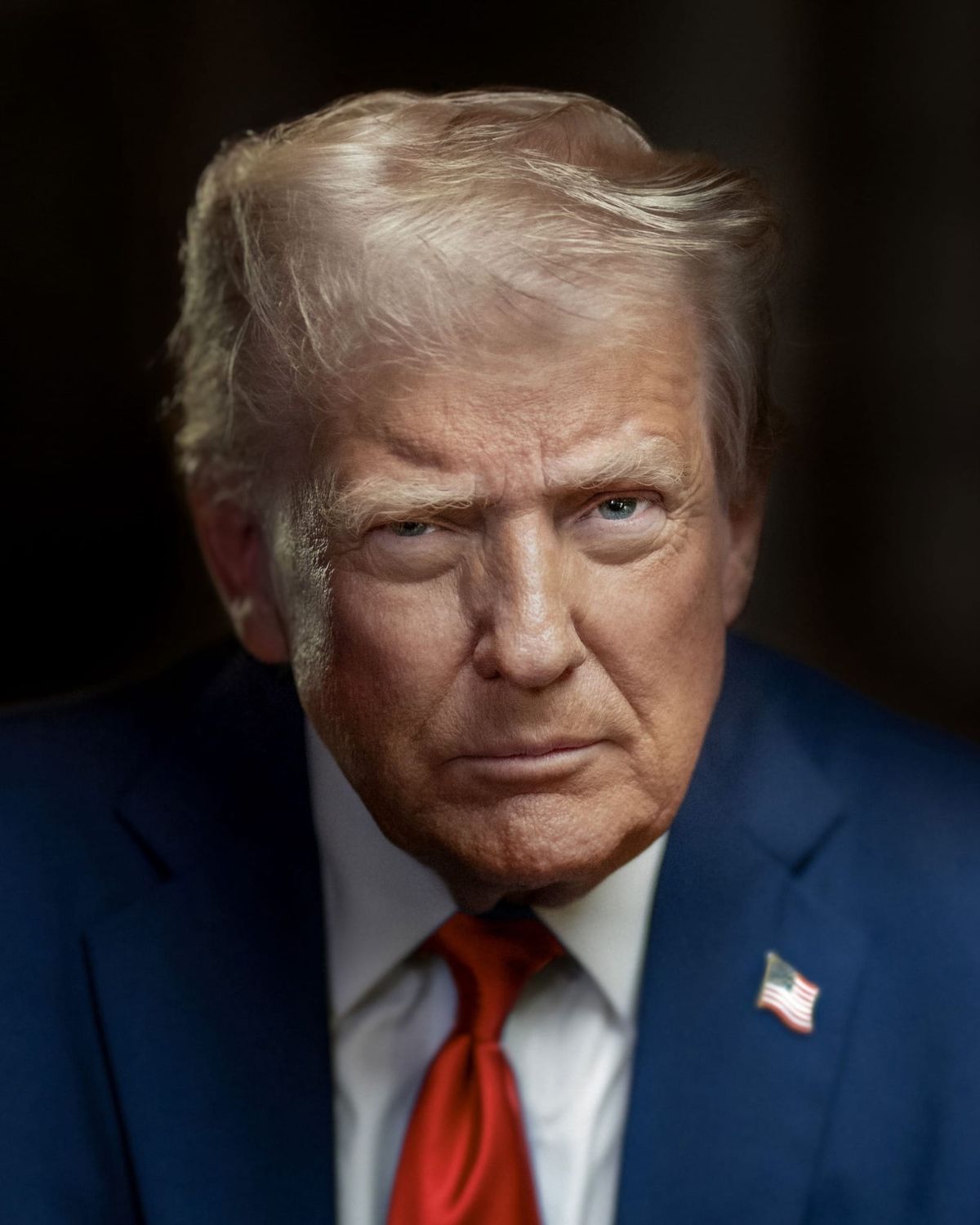
President Donald Trump acknowledged that the Iran war played a role in Republicans' midterm losses, while defending his administration's national security decisions.
In Sunday's interview with CBS' "60 Minutes," Trump was asked about Vice President JD Vance's unusually blunt assessment of last week's elections. "I don't disagree with it," Trump said when asked whether Vance had correctly identified the war's political fallout.
Democrats won control of both the House and Senate on Tuesday. Republicans lost at least seven Senate seats and more than two dozen House districts, according to Fox News.
What Vance Said
Vance published his assessment on Wednesday, arguing that voter frustration went beyond the usual concerns about turnout. He pointed to the conflict with Iran, rising household costs and America's relationship with Israel as key factors.
READ MORE: JD Vance Blames Iran War for GOP Midterm Losses: 'The Reason We Lost Is the War'
The vice president argued that some Americans who backed the Trump-Vance ticket in 2024 voted for Democrats this year, a view that challenged explanations focused mainly on Republican voters staying home.
He also criticized campaign messaging that did not address economic worries clearly enough. Trump told CBS that Vance had discussed the public statement with him before posting it.
Trump Defends the War
Trump stressed that keeping Iran from getting a nuclear weapon remains his administration's top strategic goal, and that protecting the country outweighed short-term electoral considerations.
He argued that the dangers of doing nothing were greater than the political costs of acting, and said people may judge the decision more favorably over time than they do in the immediate aftermath of an election.
Trump had already addressed the election results during a Wednesday appearance at the White House ballroom construction site. There, he acknowledged the conflict had pushed gasoline prices higher and added to voters' frustration.
The president also suggested that his personal popularity did not carry over to Republican candidates who were on the ballot without him.
READ MORE: McCormick and Banks Join Push to Delay Senate GOP Leadership Vote
Different Emphasis, Same Team
Vance put the emphasis elsewhere, pointing to voters who did turn out but switched parties. He urged Republicans to face voter concerns head-on rather than rely on comforting theories about turnout, and called for renewed focus on an America First agenda and the cost of living.
On immigration, Vance suggested focusing enforcement more heavily on employers who hire unauthorized workers. He explicitly rejected amnesty as the answer to the party's electoral problems, according to Fox News.
Trump's comments made clear he did not see Vance's criticism as a public break with the White House. He described their exchange as open communication between officials facing hard policy and political choices, and both men held that national security decisions should not be driven only by short-term politics.
The debate comes as Republicans plot their strategy for the next two years. Democratic control of Congress could complicate Trump's legislative agenda and bring more oversight of the executive branch, though Republicans keep the White House and its broad influence over national security policy.
For Republicans, the immediate challenge is figuring out why voters who once backed them walked away. For the administration, the task is explaining the war's goals and costs to an increasingly skeptical public, as Trump and Vance acknowledge the setback without backing away from the policy.