House Passes Bill Barring Presidents From Banning Fracking Without Congress
The Republican-controlled House passed a bill this week that would prevent future presidents from banning hydraulic fracturing without the consent of Congress.
The Protecting American Energy Production Act passed 226-188. It forbids the president from "declaring a moratorium on the use of hydraulic fracturing unless Congress authorizes the moratorium."
Republicans voted unanimously in favor of the bill, while 118 Democrats voted against it. Supporters framed the vote as another significant win for President Donald Trump's energy agenda.
Response To Biden-Era Restrictions
Just weeks before he left office, former President Joe Biden banned future oil and gas drilling across 625 million acres of coastal and offshore waters, among other oil and gas regulations. The bill follows those actions.
READ MORE: Supreme Court Declines To Hear Challenge To Maryland's 'Sensitive Places' Gun Restrictions
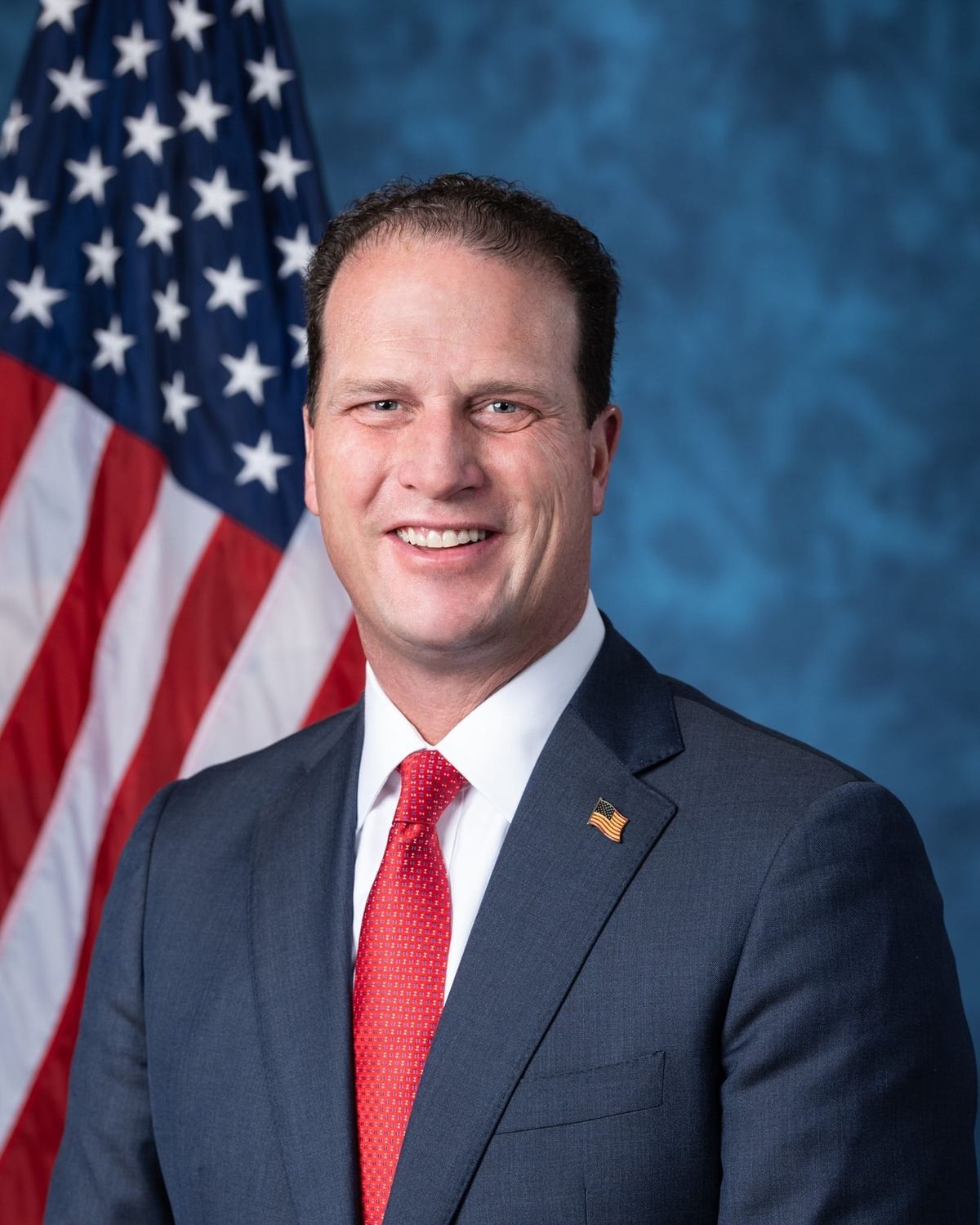
Rep. August Pfluger of Texas, the Republican who introduced the bill, said it was prompted by concerns about possible fracking bans during the Biden administration.
"When President Biden took office, his administration took a 'whole of government' approach to wage war on American energy production, pandering to woke environmental extremists and crippling this thriving industry," Pfluger said after the bill passed.
"My legislation that passed today is a necessary first step in reversing Biden's war on energy by preventing the federal government from banning the use of hydraulic fracturing," he added.
President Donald Trump has pledged to unleash American energy production as part of his "drill, baby, drill" agenda. Interior Secretary Doug Burgum has launched internal reviews of agency actions that "burden" energy development and of climate policies and lease bans put in place under Biden.
Appliance Standards Bill
Late last week, the House also voted 217-190, largely along party lines, to pass a bill limiting the Department of Energy's power to set energy conservation standards for household appliances.
The bill, introduced by Rep. Rick Allen of Georgia, would amend the Energy Policy and Conservation Act to end the requirement that the DOE periodically update standards for appliances such as dishwashers, stoves and washing machines. Instead, the department could amend standards only when necessary.
READ MORE: Hakeem Jeffries Wins Democratic Speaker Nomination as 11 Democrats Oppose Him
Under the current system, the DOE is obligated to keep raising standards, which means one administration's environmental goals become the regulatory baseline for the next. Allen's bill aims to break that cycle. The legislation targets the mechanism that allowed the previous administration to enforce aggressive efficiency mandates across nearly all appliance categories.
According to the Washington Examiner, the legislation would also create a public petition process for specific standards and require that standards be economically justifiable and technologically feasible. Supporters say those two criteria were seldom emphasized by the Department of Energy during the Biden administration.
Transformer Rules Blocked
The bill would also bar the DOE from updating energy conservation standards for distribution transformers, which are essential to electrical infrastructure.
Stricter efficiency rules on transformers can have major effects on grid reliability and costs, and supporters say the provision reflects the need to balance environmental goals with a reliable electricity supply.
The transformer provision signals that House Republicans see grid reliability as a priority alongside lower costs for households, as the chamber continues to move energy legislation aligned with the administration's agenda.